Why Science Cannot Accurately Measure Muscle Loss From Weight Loss, Including GLP‑1, Versus Deficient Muscle (Skinny Fat)

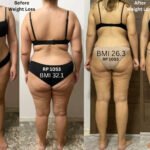
Muscle loss is estimated to account for roughly 20% (1, 2, 3, 4, 5, 6) of total weight lost through typical diet‑based weight‑loss methods—including GLP‑1 drugs. Popular phrases such as “Ozempic butt,” “Ozempic face,” “Ozempic arms,” “Ozempic feet,” and “Ozempic body” suggest that GLP‑1‑induced weight loss, as well as standard calorie‑deficit dieting, causes specific muscle groups to deteriorate. However, these estimates are derived from lean body mass (LBM) measurements, which do not (7) directly measure muscle tissue.
 Compounding the inaccuracy is the fact that no study has ever accurately measured participants’ total muscle tissue before weight loss. As of this writing, no standardized protocol (8) exists to quantify total muscle tissue, and no baseline average exists for comparison. Without an approved measurement standard, it is impossible to determine:
- how much muscle a person was born with (genetic baseline),
- how much they added through resistance training or intense cardio (exercise‑induced hypertrophy),
- how much they lost before dieting due to diet, exercise, and lifestyle factors (pre‑existing atrophy), or
- how much they lost due to aging (sarcopenia).
LBM remains the current proxy standard—not a direct measurement of muscle.
Why Science Cannot Accurately Measure Muscle Loss From Weight Loss, Including GLP‑1, Versus Deficient Muscle (Skinny Fat)
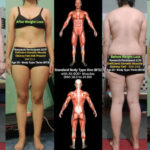
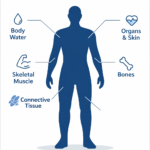
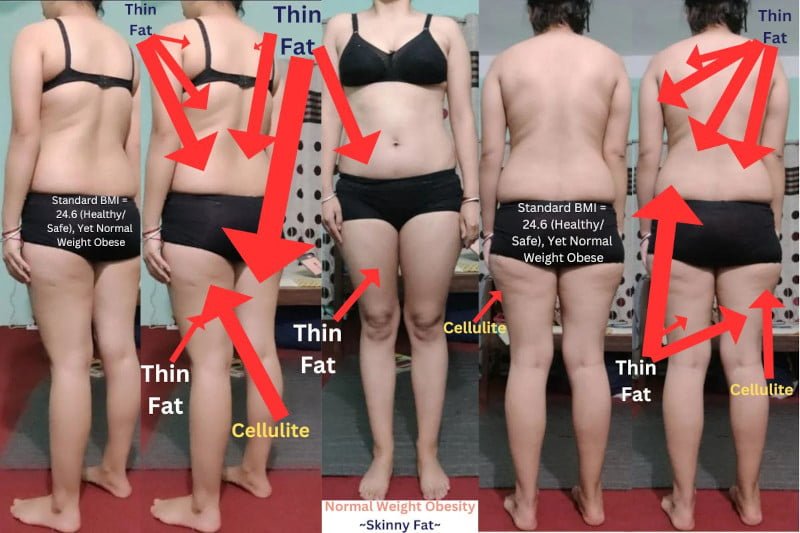
Common body‑composition tools—BMI, DEXA, InBody, waist‑to‑hip ratio, body‑fat percentage, and related methods—focus on body fat and lean body mass (LBM), a composite category that includes organs, bone, tendons, ligaments, and water. None of these systems directly or accurately measure muscle tissue. Our research (9) indicates that many individuals experience deficient genetically influenced muscle tissue (skinny fat) from birth, meaning they never possessed average, baseline muscle to begin with.
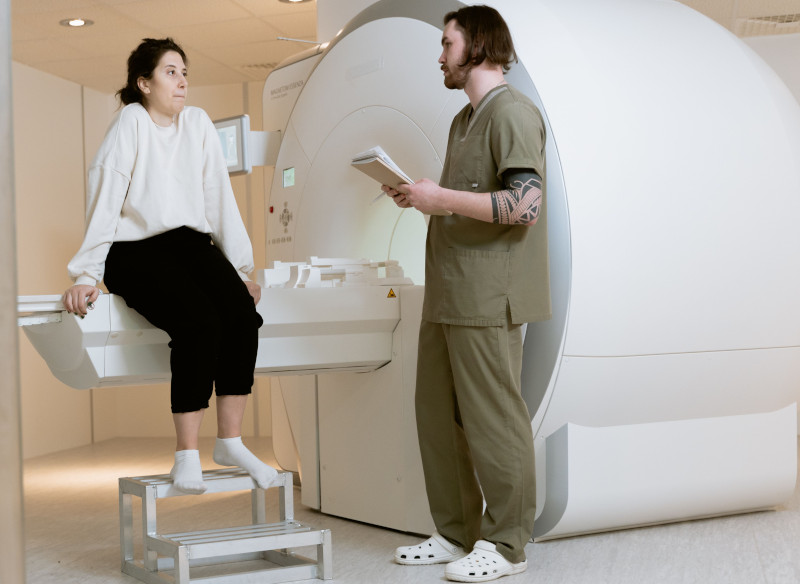 The problem is not that science lacks the ability to directly and accurately measure total muscle tissue or subsequent muscle loss. With modern imaging—especially MRI—we absolutely can. What is missing is a standardized measurement protocol capable of producing reproducible, population‑level muscle‑tissue data. Instead, institutions and society have become complacent, relying on familiar proxy tools such as BMI and LBM, and developing increasingly sophisticated technologies designed to improve those limited, indirect proxies rather than evolve beyond them with direct measurement.
As a result, direct, accurate measurement of muscle tissue using MRI remains an unrealized capability rather than an established standard. Likewise, no scientifically approved phenotype‑classification system exists, despite the fact that countless human body shapes remain unexplained by current scientific and medical frameworks. Our MRI Study (10) is designed to change all of that.
Scientific Health Quizzes – MRI Screening Assessment and Everyday Tools
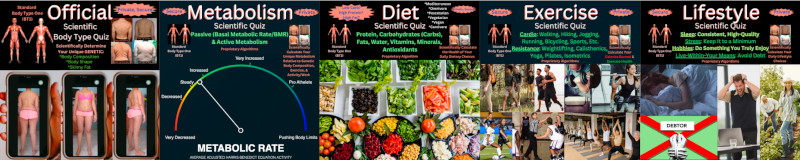
Our research has developed the Scientific Health Quizzes as cohort‑screening tools that are essential for successfully executing our MRI Study. The Scientific Body Type Quiz provides an accurate estimation of body composition, particularly skinny fat, by identifying patterns of baseline deficient muscle. The Scientific Metabolism, Diet, Exercise, and Lifestyle Quizzes add the remaining context needed to form a complete physiological and behavioral profile of each participant.
The MRI Study will, in turn, validate and refine these Quizzes, creating a feedback loop between standardized MRI‑based muscle measurement and scalable digital screening tools. The Quizzes are available to the public.
References
- UC Davis Health, News: UC Davis Health examines systemic impact of GLP-1–based therapies, December 5, 2025. https://health.ucdavis.edu/news/headlines/uc-davis-health-examines-systemic-impact-of-glp-1based-therapies/2025/12
- NIH, National Library of Medicine: Muscle loss and GLP-1R agonists use, November 7, 2025, Giada Rossi, Loredana Bucciarelli, Chyrell-Lyn Mananguite, Matteo Giovarelli, and Paolo Fiorina. https://pmc.ncbi.nlm.nih.gov/articles/PMC12957034/
- BBC: New drug to stop ‘Ozempic butt’ muscle loss side effect of obesity jabs, Michelle Roberts (Digital Health Editor), June 8, 2026. https://www.bbc.com/news/articles/c62r285l46eo
- Healthline: What Are ‘Ozempic Feet?’ Doctors Explain Latest GLP-1 Side Effect From Weight Loss, July 15, 2026, Mandy French (Fact checked by Jill Seladi-Schulman, Ph.D.). https://www.healthline.com/health-news/ozempic-feet-doctors-explain-glp-1-side-effect
- Drugs.com: Does Ozempic cause muscle loss and how to prevent it?, February 9, 2026, Medically reviewed by Leigh Ann Anderson, PharmD. https://www.drugs.com/medical-answers/ozempic-cause-muscle-loss-how-you-prevent-3578660/
- Cleveland Clinic: Can Ozempic Cause You To Lose Muscle?, December 2, 2025. https://health.clevelandclinic.org/ozempic-muscle-loss
- Skinny Fat Science: Lean Body Mass (LBM) and Skinny Fat, June 3, 2026. https://skinnyfat.fellowone.com/skinny-fat-science/lean-body-mass-lbm-and-skinny-fat/
- NIH, National Library of Medicine: Reference Methods for Measuring Skeletal Muscle Mass: A Critical Perspective, January 19, 2026. Steven B Heymsfield, Houchun H Hu, Edvin Johanssen, Sophia Ramirez, Gabriela de Oliveira Lemos, Maria Cristina Gonzalez, Carla M Prado, and Jonathan P Bennett. https://pmc.ncbi.nlm.nih.gov/articles/PMC12816762/
- Fellow One Research: Body Type Science Research Data. https://fellowone.com/category/fellow-one-research/the-four-body-types/body-type-science/body-type-quiz/research-data/
- Skinny Fat Science: Scientific Skinny Fat MRI Study – Proving What Skinny Fat Is, March 26, 2025. https://skinnyfat.fellowone.com/skinny-fat-science/scientific-skinny-fat-mri-study-proving-what-skinny-fat-is/
Was this article helpful?
Related Posts
What Is Skinny Fat?
How to Fix Skinny Fat

The Best Skinny Fat Diet, According to Science

Popular Concepts
- Skinny Fat: “Thin Fat”, Cellulite, and Deficient Muscle

- Lean Body Mass (LBM) and Skinny Fat
- What Body Fat Percentage Is Skinny Fat?
- Skinny Fat Body Composition – Before & After Weight Loss
- Skinny Fat & Insulin Resistance
- Body Dysmorphia and Skinny Fat Including Anorexia & Other Eating Disorders
- How Skinny Fat Affects Body Shape
- Skinny Fat Is More Than Just Normal-Weight Obesity