Skinny Fat: “Thin Fat”, Cellulite, and Deficient Muscle
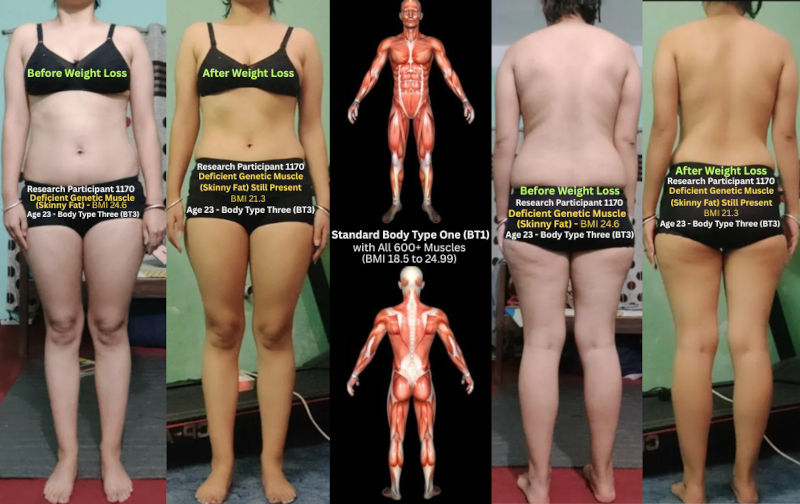
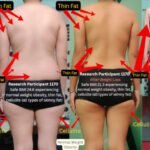
 The central hypothesis of our research framework is that skinny fat is not (1, 2, 3) a condition of excess body fat (regular white/yellow adipose tissue) in individuals with a normal-weight BMI (18.5 to 24.99). Instead, skinny fat represents one or more body-composition phenotypes associated with deficient genetically determined muscle tissue—particularly skeletal muscle—and related alternative tissues, including what our research refers to as “thin fat” tissue (1) and cellulite tissue (1).
Every individual is born with a unique genetic blueprint that influences the amount and distribution of muscle tissue (4) throughout the body. Within our proposed framework, skinny fat reflects below-average genetically determined muscle tissue relative to a population reference baseline. This raises several fundamental questions. What constitutes below-average genetic muscle tissue? What is average? What is above average? And how can these differences be measured accurately and consistently?
More importantly, if an individual possesses less genetically determined muscle tissue than expected, what occupies the anatomical region(s) where that muscle should exist but does not? Our research theorizes that these regions contain alternative tissue structures that contribute to the skinny-fat phenotype, specifically “thin fat” tissue and cellulite tissue. To investigate these deeper body-composition questions, a standardized measurement framework must first be established.
Skinny Fat: “Thin Fat”, Cellulite, and Deficient Muscle
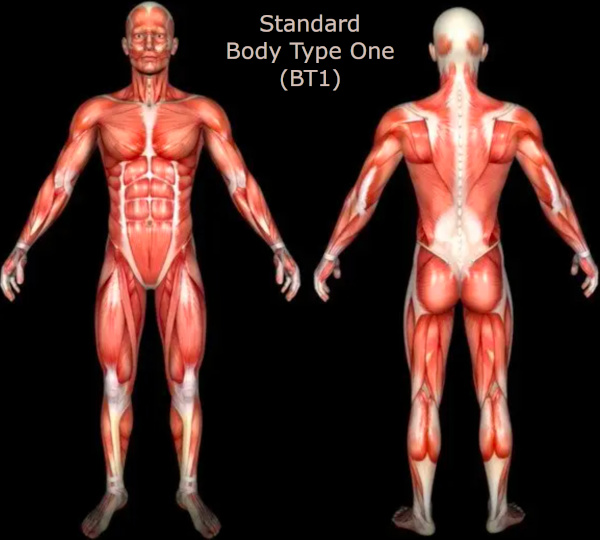
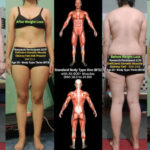
Our MRI Study (5) is designed to develop that missing measurement framework. Using whole-body MRI scans from a carefully vetted Standard Body Type One (BT1) cohort — what our research proposes as the standard baseline phenotype based on the common anatomical model with all 600+ muscles (6) — we aim to develop the first direct measurement of total genetically determined muscle tissue and establish the first population reference baseline average for comparison. This framework will allow individuals to be scientifically categorized as having below-average, average, or above-average genetically determined muscle tissue.
Once this measurement dataset exists, it becomes possible to investigate the next set of questions. What tissue composition exists in the anatomical regions where genetically expected muscle tissue is deficient or absent? And what role might those tissues play in defining the skinny fat phenotype(s) and effects on health, no less?
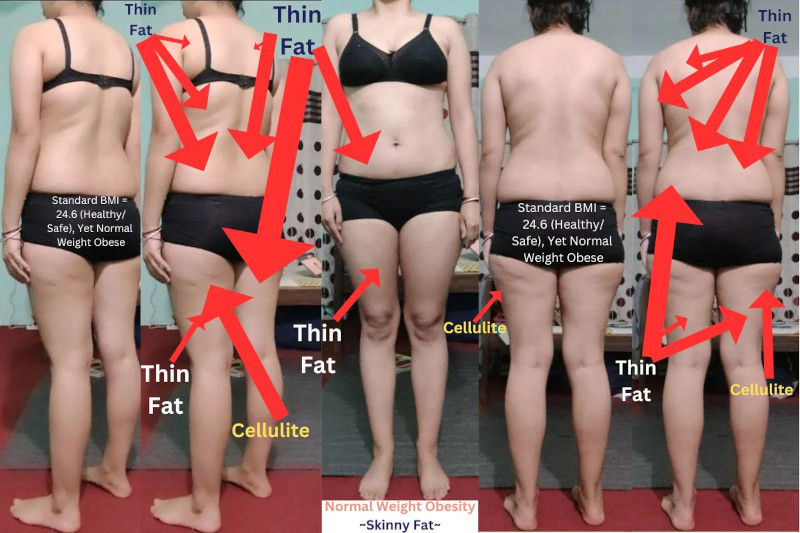
Thin fat (1) refers to a proposed tissue composition that occupies anatomical regions where genetically expected skeletal muscle tissue is deficient. Cellulite (1) represents a related structural tissue characterized by alterations in subcutaneous tissue architecture. Within our research framework, both are hypothesized to be forms of skinny fat that arise from the same underlying condition: below-average genetically determined skeletal muscle tissue. Once we can accurately identify individuals with below-average genetically determined muscle tissue through a standardized MRI-based measurement framework, we can then investigate the biological composition of these tissues directly.
What is “Thin Fat” and Cellulite?
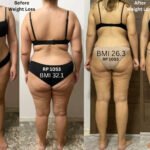
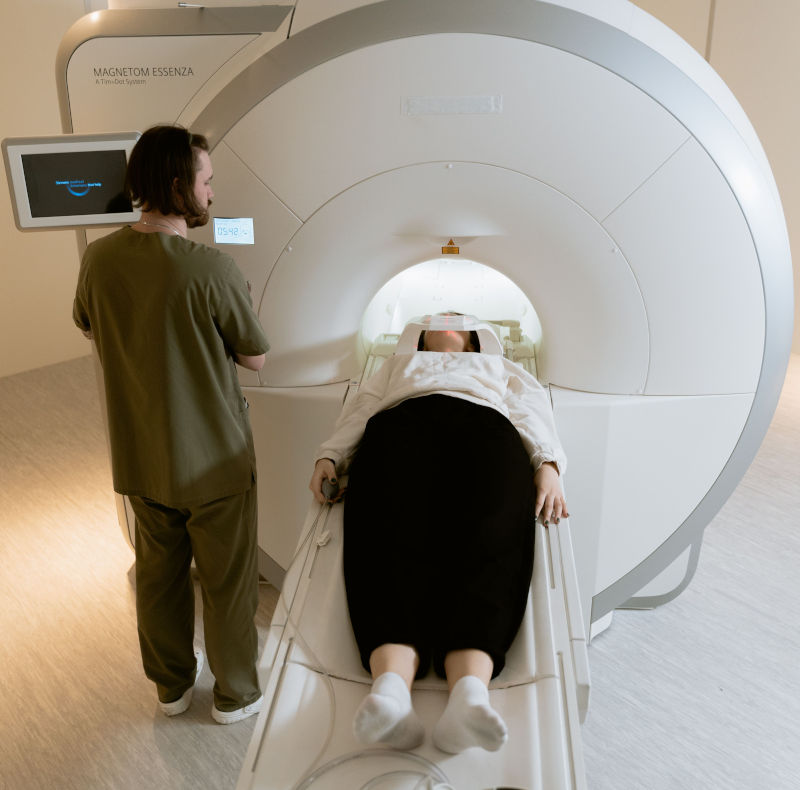 MRI technology will then be utilized to further investigate anatomical areas where muscle tissue is below average to determine what tissue composition is, in fact, present. The current widespread narrative is that it is adipose tissue (regular white/yellow fat). The problem with this claim is, we know a person can lose adipose tissue down to a dangerously low BMI under 18.5, and yet even with no more adipose tissue to lose, the skinny fat remains. Losing the adipose tissue does not “cure” or get rid of skinny fat — and the default genetic muscle that should be present does not magically appear.
By separating genetically determined skeletal muscle deficiency from ordinary adipose accumulation, this framework proposes a new approach to understanding body composition and skinny fat (lack of genetic muscle). Rather than defining skinny fat solely by the presence of adipose tissue, the focus shifts toward identifying the missing muscle variable and characterizing the tissues — “thin fat” and cellulite — that occupy the resulting altered body-composition architecture.
The objective is therefore not to assume what “thin fat” or cellulite tissue consists of, but to establish the measurement foundation necessary to discover it. By first defining normal/average and deficient/below average skeletal muscle tissue ranges, MRI can enable the characterization of previously unmeasured tissues and determine whether deficient genetic muscle development is associated with specific patterns of tissue replacement or remodeling.
The MRI research — measurement → classification → mechanism — will answer no less than these unresolved questions:
- How much skeletal muscle tissue, on average, should a person have?
→ establish the first population-level reference baseline average. - Who has a measurable deficit relative to that baseline?
→ define the skinny-fat phenotype(s) quantitatively. - What occupies the regions where expected muscle tissue is deficient?
→ characterize “thin fat” tissue, cellulite tissue, and other potential tissue components.
Scientific Health Quizzes – MRI Screening Tools
One of the biggest hurdles to successfully executing the MRI Study is the ability to accurately vet potential research participants. How can we reasonably identify BT1 participants to build a viable cohort? Using the latest science, we developed the Scientific Health Quizzes. The Scientific Body Type Quiz accurately estimates a person’s body composition, particularly skinny fat.
The Scientific Metabolism, Diet, Exercise, and Lifestyle Quizzes help determine if a person has added muscle mass above genetic default or lost muscle tissue due to poor diet, exercise, and/or lifestyle (sleep, stress, environment), taking them below genetic default. The Quizzes can be easily accessed remotely. They are built and ready to go.

References
- Skinny Fat Science: What Is Skinny Fat?, July 26, 2024. https://skinnyfat.fellowone.com/skinny-fat-science/what-is-skinny-fat/
- Skinny Fat Science: Skinny Fat is a Lack of Genetic Muscle – Beyond Normal-Weight Obesity, August 13, 2025. https://skinnyfat.fellowone.com/skinny-fat-science/skinny-fat-is-a-lack-of-genetic-muscle-beyond-normal-weight-obesity/
- Skinny Fat Science: Measuring Skinny Fat, July 22, 2026. https://skinnyfat.fellowone.com/skinny-fat-science/measuring-skinny-fat/
- Skinny Fat Science: Is Muscle/Mass Genetic and How Does It Affect Skinny Fat?, November 20, 2024. https://skinnyfat.fellowone.com/skinny-fat-science/is-muscle-mass-genetic-and-how-does-it-affect-skinny-fat/
- Skinny Fat Science: Scientific Skinny Fat MRI Study – Proving What Skinny Fat Is, March 26, 2025. https://skinnyfat.fellowone.com/skinny-fat-science/scientific-skinny-fat-mri-study-proving-what-skinny-fat-is/
- Britannica: human muscle system, Shane W. Cummings and Robin Huw Crompton (Fact-checked by the Editors of Encyclopaedia Britannica. https://www.britannica.com/science/human-muscle-system
Was this article helpful?
Related Posts
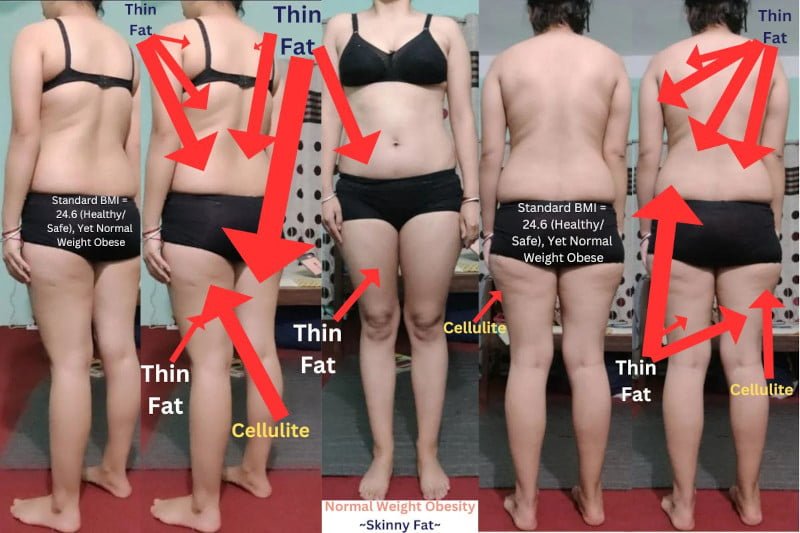
What Is Skinny Fat?
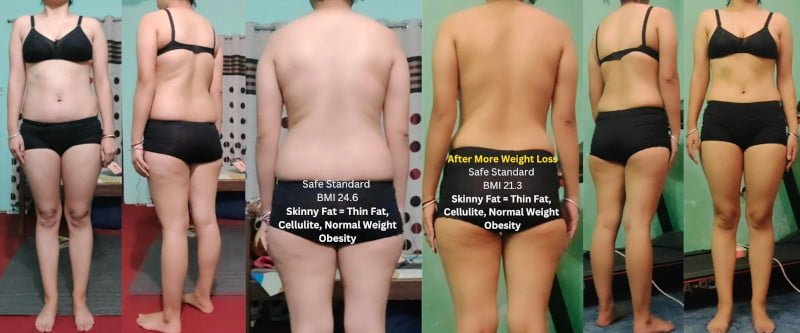
How to Fix Skinny Fat

The Best Skinny Fat Diet, According to Science

Popular Concepts
- Skinny Fat: “Thin Fat”, Cellulite, and Deficient Muscle

- Lean Body Mass (LBM) and Skinny Fat
- What Body Fat Percentage Is Skinny Fat?
- Skinny Fat Body Composition – Before & After Weight Loss
- Skinny Fat & Insulin Resistance
- Body Dysmorphia and Skinny Fat Including Anorexia & Other Eating Disorders
- How Skinny Fat Affects Body Shape
- Skinny Fat Is More Than Just Normal-Weight Obesity