Scientific Skinny Fat MRI Study – Proving What Skinny Fat Is
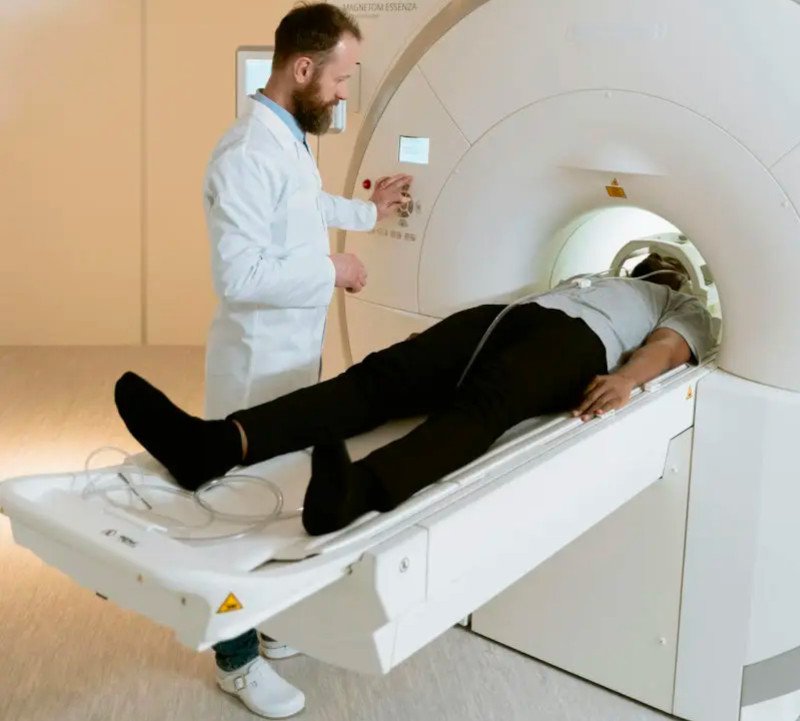
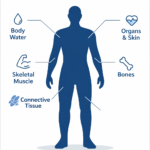
There is only one way to definitely prove what skinny fat (lack of genetic muscle) is, a proper IRB protocol (1, 2) scientific MRI study focused on specific body composition scans. A Magnetic Resonance Imaging (MRI)(3, 4, 5) machine is the only technology capable — MR spectroscopy (6, 7, 11), Dixon Imaging (8, 9, 10), T2-weighted (9, 10, 11), etc. — of accurately and safely measuring muscle tissue (45). No, BMI, LBM, and other anthropometrics do not (34, 35, 36) directly measure muscle.
Right now, there is no way to scientifically measure total genetic muscle tissue, or total muscle tissue, in general, no baseline average to compare such a measurement to, and no way to measure genetic muscle deficiency — what our science calls skinny fat (12). Total muscle tissue reflects the muscle a person has today, including muscle added or lost through diet, exercise, and/or lifestyle (sleep, stress, environment). In contrast, total genetic muscle tissue represents the baseline muscle a person was genetically programmed to develop.
Scientific Skinny Fat MRI Study – Proving What Skinny Fat It Is
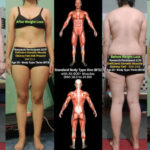
For instance, see this professional trainer’s (middle picture) lower back and love handles:
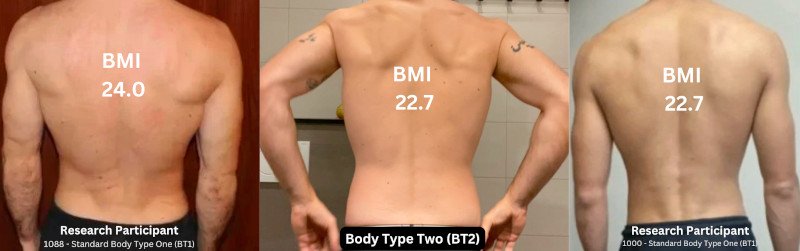
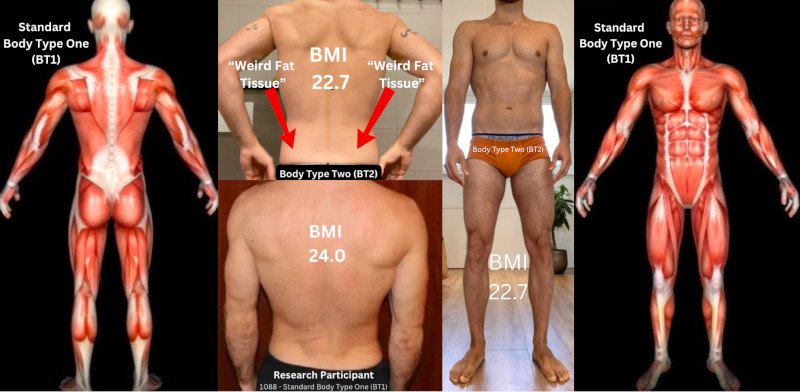
They have no visceral fat/belly fat, no excess body fat (white/yellow fat) at a safe BMI of 22.7, and no low muscle mass — all supposed signs of skinny fat according to Google and nearly everyone everywhere. Yet, they have obvious “weird fat” tissue on their lower back and love handles:
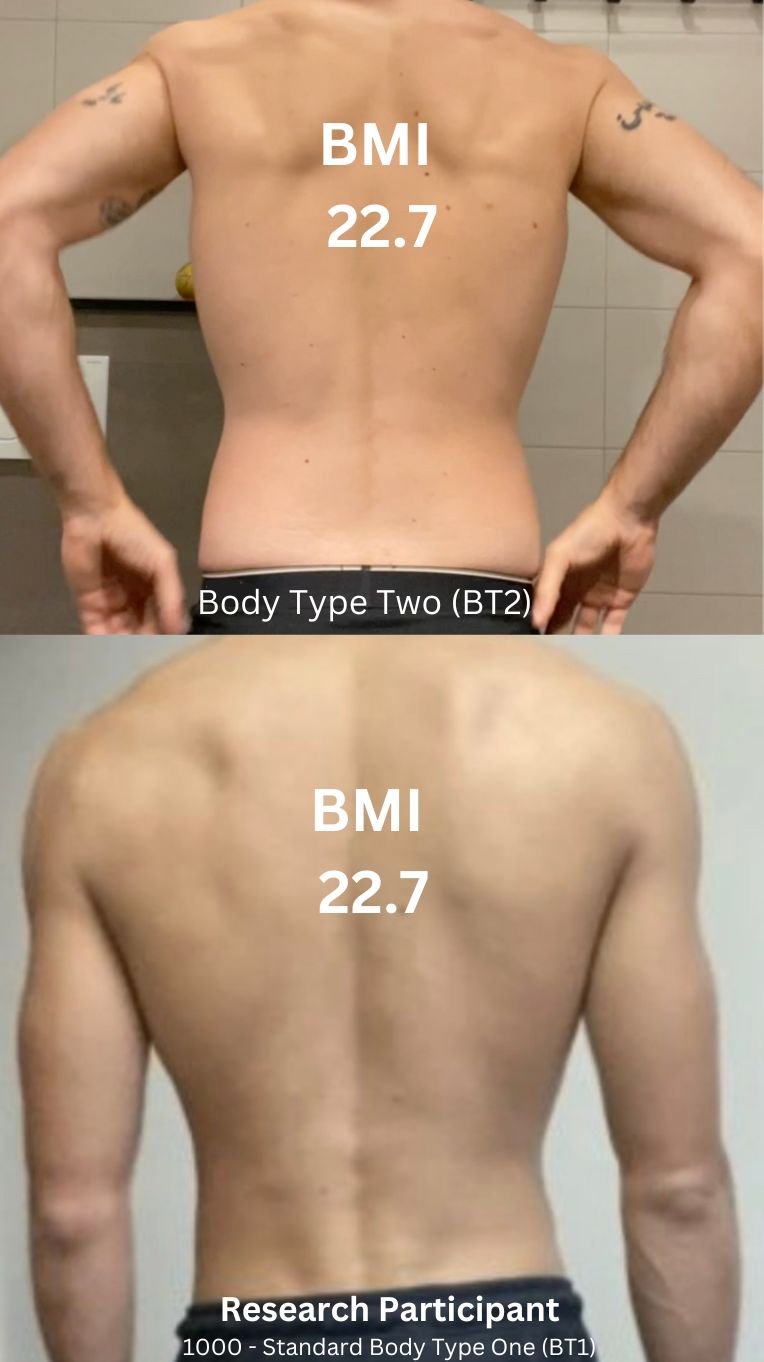
No process exists in the human body that would cause that person’s muscle tissue on their love handles and lower back to turn into any kind of fat tissue. This is not how human tissue works (13, 14, 15, 16).
According to our theory, that “weird fat” (subcutaneous) is unique genetic skinny fat tissue (thin fat)(12) that exists where genetic default muscle tissue should be but is not.
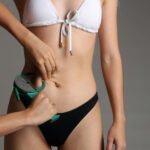
Classic Case of Normal-Weight Obesity (Skinny Fat)
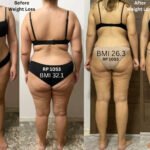
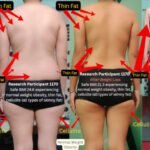
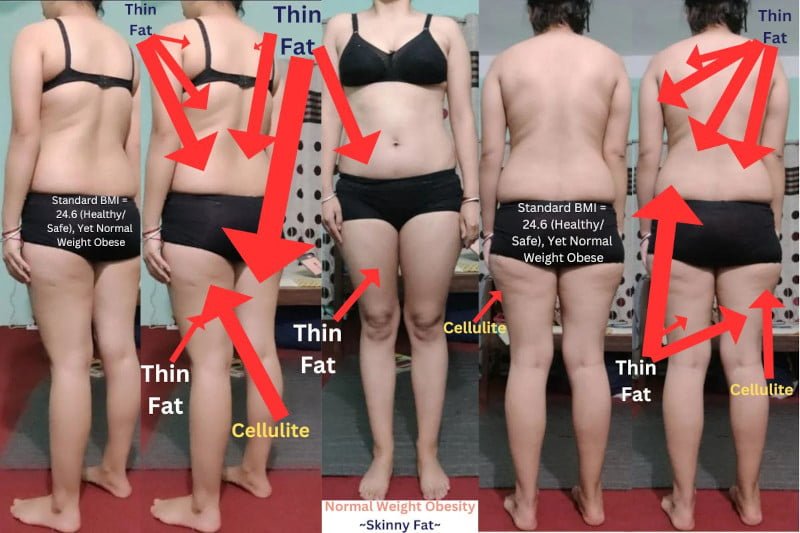
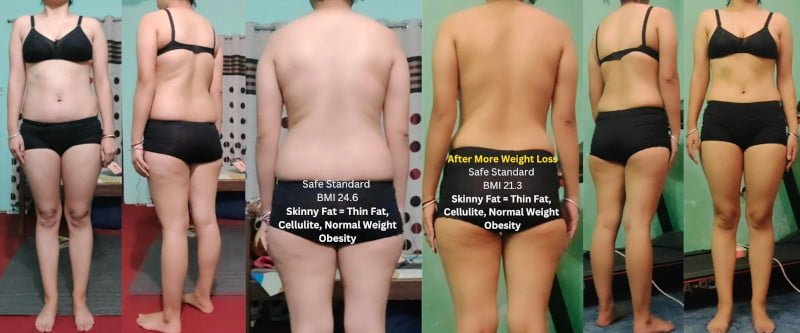
Research Participant 1170 (31) started at a safe BMI of 24.6 with obvious normal-weight obesity.
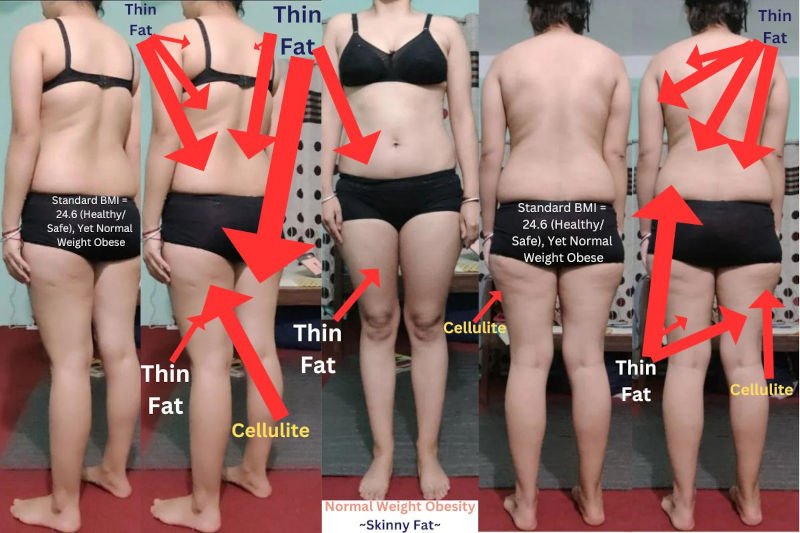
They safely lost more regular fat weight down to a safe BMI of 21.3 and the normal-weight obesity remains. The thin fat and cellulite (types of skinny fat) where genetic muscle tissue should be are obvious as well, and remain throughout.
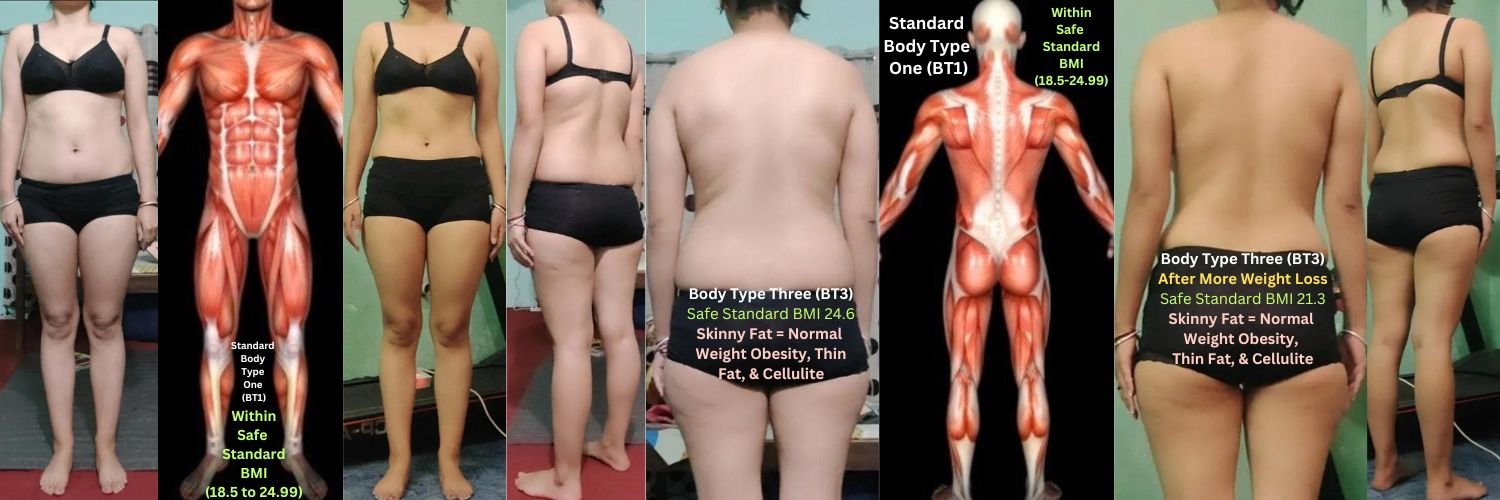
What if Research Participant 1170 were to reduce their regular white/yellow body fat to an underweight BMI of 18.49 or less?
Would the thin fat and cellulite go away? No, it would not — there is no FDA-approved way to get rid of cellulite or thin fat, you can only reduce it. And like this person (20) who lost weight down to a BMI of 8, any eating disorder person eventually learns and can tell you that you cannot starve away skinny fat (lack of genetic muscle). You can technically lose 100% of your regular white/yellow fat, yet your skinny fat (lack of genetic muscle, IE thin fat and/or cellulite) will remain down to any BMI. But they would no longer be normal-weight obese.
What if Research Participant 1170 were to increase their regular white/yellow body fat to an overweight BMI of 25+ or 30+ obese?
Would the thin fat and cellulite go away? No, it would not. Again, at this time, no FDA-approved way exists to get rid of cellulite or thin fat, you can only reduce it. Their skinny fat (lack of genetic muscle) would remain up to any BMI. But they would no longer be normal-weight obese. Yet, they are still experiencing skinny fat (lack fo genetic muscle, IE thin fat, cellulite).
Skinny fat is so much more complex than the initial 2016 NIH definition (30). Science is ever-evolving and things become more clear as more data, evidence, and facts roll in.
What Is A Normal/Average Human Body?
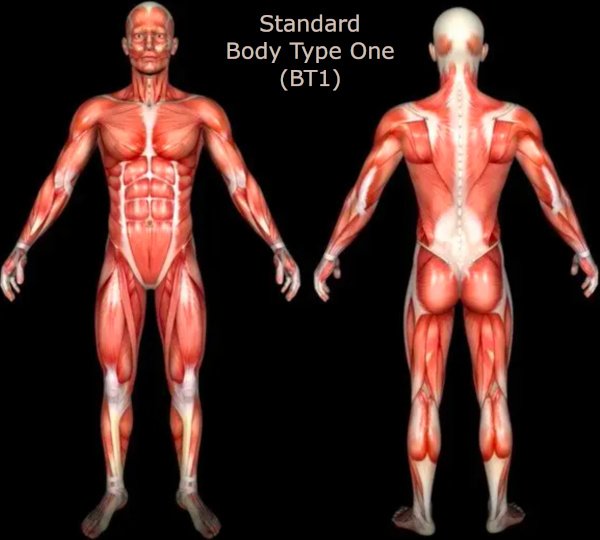 According to mainstream science/medicine, every human being is born is an “average/normal” standard anatomical model human body with all 600+ muscles developed (17) — what our research proposes a the standard baseline phenotype called the Standard Body Type One (BT1) — with general uniform body composition relative to height, unless they are diagnosed with some abnormality, and even then they are still the anatomical model, just with a specific diagnosis. The reason you do not look like the common anatomical model is because you are eating too many calories above BMR, taking you outside of safe BMI (18.5 to 24.99) due to excess regular white/yellow body fat (common adipose tissue) (12). Stop overeating, lose the excess regular fat weight, and voila, you are once again the anatomical model.
But, our research shows this is simply not true; all human beings are not born in the common anatomical model with all 600+ muscles. Some people are born with more muscle tissue, and some with less. Those born with less are likely experiencing some degree of skinny fat. But with no standardized baseline phenotype, no standardized way to measure total genetic muscle tissue, or total muscle tissue, in general, no standardized baseline average to compare such a measurement to, and no way to measure genetic muscle deficiency (skinny fat), there is no way to know what is what.
Our MRI Study develops the first-ever accurate dataset to scientifically and accurately measure total genetic muscle tissue — total muscle tissue, in general — develop a baseline average to compare such a measurement to, and allow for the identification of genetic muscle deficiency (in terms of a scientific measurement).
Overview Protocol, Scientific Skinny Fat MRI Study
1. Abstract
This project aims to develop the first reproducible whole-body MRI measurement framework for quantifying human muscle tissue and establish a population reference baseline for understanding genetically influenced variation in human muscle biology. By combining standardized pre-screening with direct whole-body MRI measurement, the study will establish an empirical framework for identifying individuals with measurably low total muscle tissue (skinny fat) relative to the appropriate population reference baseline and support further research into human health and biological variation.
2. Introduction
As of August 2026, no established population-level measurement framework exists for directly quantifying total human muscle tissue and establishing a reference baseline average for genetically influenced variation in muscle tissue.
The current measurement landscape presents multiple limitations:
No universally accepted gold-standard method for measuring total muscle tissue exists (37, 38, 46, 47, 48).
No established population reference baseline exists for total genetically influenced muscle tissue against which individual measurements can be compared.
No established quantitative framework exists for identifying genetically influenced muscle deficiency (skinny fat) as a distinct body-composition phenotype.
No standardized diagnostic measurement framework exists for skinny fat based on direct quantification of total muscle tissue.
BMI is calculated (39) from height and weight and is used primarily as a weight-status classification measure to estimate body fat, it does not measure muscle tissue, directly or indirectly.
Lean Body Mass (LBM) is a composite body-composition measure (35) and does not directly measure muscle tissue.
DEXA measures (40) fat and bone, not muscle — it quantifies all non-fat tissues into a composite variable, but its lean-tissue measurements do not directly isolate skeletal muscle from other lean tissues; thus it does not directly measure muscle
Bioelectrical impedance (BIA), including commercial systems such as InBody, estimates (41) body-composition variables, specifically body fat and water, from electrical measurements rather than directly measuring total muscle tissue.
Normal‑weight obesity (skinny fat) contradicts (42) BMI.
Skinny fat is commonly used as a descriptive/social term rather than as a standardized scientific or medical diagnosis based on direct measurement of genetically influenced muscle tissue.
Muscle quantity and development are strongly influenced by genetics and are highly heritable (43), making genetically influenced variation an important component of human muscle biology.
Whole-body MRI has already been demonstrated to quantify muscle volume directly and has been used as a reference method for assessing whole-body muscle volume. However, the proposed study addresses a different measurement problem: establishing a standardized, reproducible framework for total muscle tissue measurement and population-referenced characterization of genetically influenced variation, using whole-body MRI in conjunction with standardized pre-screening designed to minimize acquired and lifestyle-related influences on muscle tissue.
The objective is therefore not simply to demonstrate that MRI can image muscle. Rather, the objective is to establish an accurate measurement infrastructure that is currently missing, capable of generating a population reference baseline for total muscle tissue and providing a quantitative framework for investigating genetically influenced muscle variation and the proposed skinny-fat phenotype.
3. Hypotheses
The MRI Study has measurement-science hypotheses, rather than clinical hypotheses.
Primary Hypothesis
Human muscle tissue exhibits a definable population distribution that can be measured directly and non-invasively using whole-body MRI.
If whole-body MRI is paired with a standardized, multi-reviewer measurement architecture and a rigorous pre-screening framework designed to minimize major acquired and lifestyle-related influences on muscle tissue, then it will be possible to:
(a) obtain reproducible and accurate individual measurements of total genetically influenced muscle tissue; and
(b) establish a scientifically valid population reference baseline for genetically influenced muscle tissue within the intended university-age reference population (18–22 years, with enrollment extending to age 25 only if necessary).
This baseline will provide the foundation for identifying individuals with below-reference genetically influenced muscle tissue (skinny fat).
Secondary Hypothesis
Accurate measurement of total genetically influenced muscle tissue will allow establishment of a population reference baseline average against which individual measurements can be compared.
4. Methods
Participants/Sample
The participating university will have a sufficiently large student population to support recruitment of the target BT1 cohort — like Research Participant 1000 (19) and Research Participant 1088 (20). The anticipated recruitment population is approximately 40,000–60,000 students ages 18–22, with enrollment extending to age 25 only if necessary.
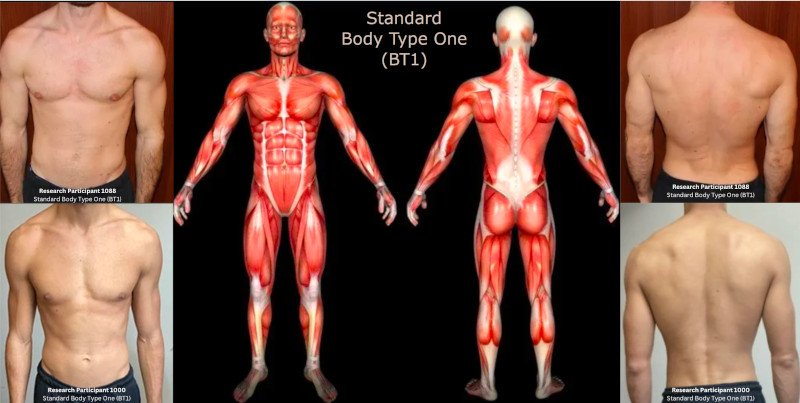
A Standard Body Type One (BT1) encompasses the full complement of human muscle tissue, including the 600+ musclesof the human body (17). Based on existing Scientific Body Type Quiz research data — — approximately 30% (44) of the relevant population is estimated to meet the BT1 screening phenotype. This would provide an estimated eligible population of approximately 12,000–18,000 individuals, providing a sufficiently large recruitment pool for the planned MRI cohort.
The initial target is 400 MRI scans, representing approximately 0.022–0.033% of the anticipated university population. This target is intended to be achievable during a 16-week university semester. Depending on funding, recruitment may continue for a second 16-week semester, allowing a potential maximum cohort of approximately 850 scans over 32 weeks.
Using standardized Scientific Health Quizzes as pre-screening tools (already developed and ready to go), participants will be screened for acquired diet, exercise, and lifestyle-related factors that may influence muscle tissue. Screening will be used to exclude or classify individuals who have:
increased muscle tissue through resistance training and/or extreme cardiovascular exercise – participants will be screened for recent resistance/exercise training, with the study targeting a minimum training-free interval of approximately 6–12 months prior to MRI acquisition, subject to the finalized screening protocol and recruitment feasibility.
experienced muscle loss associated with starvation or severe dietary restriction;
experienced muscle loss associated with prolonged sedentary behavior;
experienced muscle loss associated with chronically inadequate sleep;
experienced muscle loss associated with chronic stress; and/or
experienced other environmental or lifestyle factors that may materially affect muscle tissue.
The purpose of this pre-screening is to minimize acquired and lifestyle-related influences on measured muscle tissue, thereby improving the study’s ability to characterize genetically influenced variation in total muscle tissue.
5. Materials and Procedures
University MRI Laboratory
Whole-body MRI will be used to acquire comprehensive anatomical imaging of the body for volumetric measurement of total muscle tissue.
The MRI acquisition protocol will be standardized across participants and finalized in collaboration with qualified MRI physicists, radiologists, and the participating university’s MRI facility. The protocol may include:
Whole-body MRI — captures the full body for volumetric analysis of total muscle tissue.
Dixon imaging (fat/water separation) — supports tissue segmentation and characterization by differentiating water- and fat-containing tissue.
T2-weighted sequences — may provide additional tissue characterization and support differentiation of muscle from surrounding tissues.
MR spectroscopy — may provide additional biochemical characterization of tissue, including measurements such as intramyocellular lipid (IMCL), extramyocellular lipid (EMCL), and creatine.
Multi-echo sequences — may support improved characterization and quantification of tissue lipid content.
B1/B0 mapping — may be used for field-uniformity and acquisition correction where required by the finalized MRI protocol.
The final sequence configuration will be determined according to the requirements of the primary measurement, MRI facility capabilities, participant burden, and scientific and technical validation.
IRB, Privacy, and Data Security
All applicable university IRB requirements, research protocols, informed-consent procedures, and institutional research processes will be completed and followed before participant enrollment and MRI scans acquisition.
Data will be collected using appropriate privacy-preserving procedures and stored securely on authorized institutional or research servers. The study will collect the minimum personal information necessary for the research objectives and will comply with applicable institutional privacy, information-security, and data-protection requirements, including HIPAA requirements where applicable.
Clinical Technology Interface (CTI)
The research programming team will develop the Clinical Technology Interface (CTI) to integrate participant screening data, MRI data, and the measurement-science algorithms developed with input from physician radiologists and data scientists.
The CTI will provide a secure environment through which authorized members of the research team can review, process, and analyze study data remotely while maintaining appropriate access controls and data-security procedures.
Measurement and Review Architecture
The research team, including the Principal Investigator, research nurses, research coordinator, radiologists, and data scientists, will conduct and oversee the study procedures.
Each whole-body MRI scan will be processed through a standardized, multi-reviewer measurement architecture consisting of three physician radiologists and three data scientists, operating through the CTI.
The radiology reviewers will provide anatomical and tissue-level review, while the data-science reviewers will evaluate segmentation, computational measurement, and measurement reproducibility. The combined review architecture will be used to generate a rigorously reviewed dataset of total genetically influenced muscle tissue for establishment of the population reference baseline and identification of individuals with below-reference genetically influenced muscle tissue (skinny fat).
Data Analysis and Publication
The resulting dataset will undergo the predefined preprocessing, statistical, and robustness analyses described in this protocol. Findings will be documented and prepared for submission as a peer-reviewed scientific manuscript.
6. Planned Analyses
Analysis Pipeline
1. Participant pre-screening and phenotype classification
Participants complete standardized Scientific Health Quizzes assessing factors that may substantially influence acquired muscle tissue, including resistance training/exercise, diet, physical activity, sleep, stress, environment, and other relevant lifestyle factors.
Screening data are used to identify participants whose muscle phenotype is minimally influenced by major acquired factors and therefore suitable for establishing a genetically influenced muscle-tissue reference baseline.
Participants are classified according to predefined inclusion/exclusion criteria before MRI acquisition.
2. Acquisition of whole-body MRI scans
Standardized whole-body MRI protocol, fixed sequence parameters, and consistent positioning.
All scans undergo quality-control review for motion, artifacts, and completeness.
Scan–rescan reliability of total muscle volume (small subset, ~2.5% to 5% of total cohort)
Same participant
Same protocol
Two scans close in time
Compute agreement between:
total muscle volume (or mass) from scan 1
total muscle volume from scan 2
3. Segmentation and quantification of total muscle tissue
Automated image analysis identifies and quantifies muscle tissue throughout the body.
Manual verification is performed on a defined subset to assess segmentation accuracy.
Total muscle tissue volume is the primary measurement variable.
Regional muscle measurements may be retained as exploratory secondary outputs but are not required for the primary analysis.
4. Population stratification and reference modeling
Convert raw voxel measurements into standardized volume units.
Sex is treated as a primary population-stratification variable, rather than merely a secondary covariate.
Establish separate male and female reference distributions for total muscle tissue.
Age is treated as a population-stratification variable, while height and weight are retained as participant variables and evaluated in secondary analyses to characterize their relationships with total muscle tissue.
No proxy measurement is substituted for the primary MRI-derived measurement.
5. Dataset construction
Assemble an anonymized dataset containing:
Total muscle tissue volume
Sex
Age
Height
Weight (collected as a measured participant variable, not used as a proxy for muscle tissue)
Pre-screening phenotype/lifestyle classification
Optional regional muscle measurements
The resulting dataset forms the population baseline for genetically influenced total muscle tissue, using the pre-screening framework to minimize the contribution of major acquired/lifestyle influences.
Preprocessing Steps
Artifact correction/removal (motion, signal dropout, and other imaging artifacts).
Intensity normalization across scans to improve measurement consistency.
Segmentation quality control and correction to ensure accurate tissue boundaries and anatomical continuity.
Outlier and quality-control detection using predefined statistical and image-quality criteria, with potential outliers reviewed rather than automatically excluded.
Verification of anatomical completeness to ensure that all required body regions are present and measurable.
These steps ensure that the resulting measurement is accurate, repeatable, and based on direct tissue measurementrather than proxy variables such as BMI, Lean Body Mass (LBM), DEXA, InBody, etc.
Statistical Tests
Because this is a measurement-infrastructure study, the statistical analyses focus on distributional characterization, variance structure, and baseline estimation, rather than clinical inference.
Descriptive statistics
Mean, median, SD, and percentiles for total muscle tissue.
Sex-stratified and age-stratified distributions.
Variance decomposition
ANOVA or linear models to quantify variation in total muscle tissue associated with sex, age, height, and weight.
These variables are evaluated as explanatory characteristics of the measured tissue, not as proxy measures for muscle tissue.
Distributional modeling
Kernel density estimation or other appropriate distributional methods to characterize population shape and identify meaningful patterns of variation.
Mixture modeling may be considered if the observed distribution suggests distinct subpopulations.
Robustness and repeatability
Sensitivity analyses with and without potential outliers.
Repeatability analyses for any rescanned participants.
These analyses establish the population baseline for total muscle tissue and quantify how directly measured muscle tissue varies across individuals and population characteristics.
Hypothesis‑Specific Predictions
Primary Hypothesis
Human muscle tissue exhibits a definable population distribution that can be measured directly and non-invasively using whole-body MRI.
Prediction:
The dataset will reveal a quantifiable distribution of total genetically influenced muscle tissue within the 18–22-year-old reference population, with measurable variation across sex and age. Enrollment may extend to up to age 25 only if necessary to achieve the required sample size.
Secondary Hypothesis
Accurate measurement of total genetically influenced muscle tissue will allow establishment of a population reference baseline.
Prediction:
Comparison of an individual’s measured total genetically influenced muscle tissue with the appropriate population reference baseline will allow individuals to be quantitatively characterized as below average, average, or above average in total muscle tissue. Individuals substantially below the reference range may represent the skinny fat phenotype.
Exploratory Hypothesis
If an individual has genetically underdeveloped or deficient muscle tissue, then the tissue that occupies the expected anatomical volume in its place will have a measurable and characterizable tissue composition.
Prediction:
The tissue associated with genetically deficient muscle development will exhibit a distinct composition that can be characterized by MRI and may correspond to what our phase 2 study defines as skinny fat tissue (12), including thin fat and/or cellulite tissue.
Interpretation Regardless of Outcome
This is a fundamental component of the study’s scientific rigor and ensures that the study does not depend on obtaining a predetermined result.
If Results Match Predictions
Supports the hypothesis that whole-body MRI can provide a direct, non-proxy measurement of total muscle tissue.
Provides the empirical dataset necessary to establish a population reference baseline for total muscle tissue.
Supports the proposed measurement-science framework and provides a foundation for future research.
If Results Differ from Predictions
The results remain scientifically valuable:
They may reveal population structure or patterns of variation that were not anticipated.
They may identify limitations in existing assumptions or proxy-based approaches to muscle measurement.
They provide empirical data that can be used to refine the measurement framework and guide future research.
Unexpected findings may generate additional hypotheses for subsequent investigation.
The study does not require confirmation of a specific biological model to produce a scientifically meaningful result. Its primary purpose is to directly measure and characterize human muscle tissue and establish the empirical basis for a population reference framework.
If Segmentation or Variance Patterns Differ from Expectations
Unexpected segmentation findings can identify areas requiring algorithm refinement, additional validation, or methodological improvement.
Unexpected variance or distributional patterns can inform subsequent statistical modeling and study design.
The resulting data can still contribute to characterization of the observed population distribution, subject to the quality and limitations of the measurements.
Regardless of outcome, the study’s scientific value derives from generating a rigorously acquired, directly measured dataset of human muscle tissue rather than from confirming a predetermined result.
Handling Deviations From the Planned Sample
Missing or Unusable Scans
Participants with incomplete or unusable MRI scans will be excluded from the primary analysis.
All exclusions and reasons will be documented through transparent participant-flow accounting.
Uneven Sex or Age Distribution
The measured data will be retained and reported with appropriate sex and age stratification.
No imputation will be used for missing values in the primary MRI measurement.
Any imbalance in the study population will be reported as a limitation when interpreting the population reference distribution.
Sample Smaller Than Planned
The directly measured data will remain scientifically useful, although a smaller sample may reduce statistical precision and widen confidence intervals around estimated population parameters.
Additional cohorts can be incorporated in future studies to increase sample size and strengthen the reference framework.
Sample Larger Than Planned
A larger sample is expected to improve statistical precision and provide a more robust characterization of population variation.
No fundamental methodological changes are required solely because the sample exceeds the planned size, provided the same predefined measurement and analysis procedures are maintained.
Unexpected Demographic Skew
The observed demographic composition will be reported transparently.
Results will be stratified appropriately, and limitations in representativeness or generalizability will be identified.
Additional cohorts can be added in subsequent studies to broaden the population reference framework.
The key principle is that deviations from the planned sample do not inherently invalidate the underlying measurements. They may affect the precision, statistical power, or representativeness of the resulting population reference distribution, but the study’s primary purpose remains the acquisition and characterization of a rigorously measured dataset of human muscle tissue rather than the achievement of a clinical enrollment quota.
7. Ethics and Data Management
All applicable university IRB requirements, research protocols, informed-consent procedures, and institutional research processes will be completed and followed before participant enrollment and MRI scans acquisition.
All study data will be collected, handled, and stored in accordance with applicable university privacy and data-security requirements and any applicable HIPAA requirements. Data will be securely stored on authorized institutional or research servers with appropriate access controls and safeguards.
The study will collect the minimum personal information necessary to accomplish the research objectives, with participant data de-identified or coded wherever possible.
8. Pilot Data
Existing Scientific Body Type Quiz research data provide preliminary, non-MRI pilot data supporting the feasibility of the proposed participant-screening and recruitment strategy.
The existing dataset includes participant-level demographic, anthropometric, health, lifestyle, and Body Type classification data and provides preliminary evidence for the distribution of the BT1 phenotype within the broader population. The current research data are used to estimate the proportion of individuals likely to meet the BT1 screening phenotype and therefore to inform the anticipated university recruitment pool.
These data are preliminary screening and recruitment data and are not a substitute for MRI measurement data. They do not establish the proposed population baseline for total genetically influenced muscle tissue. Establishing that baseline is a primary objective of the MRI Study.
The MRI Study will provide the first direct MRI-derived measurement dataset needed to test whether the pre-screened BT1 phenotype corresponds to the hypothesized population distribution of genetically influenced total muscle tissue.
The existing Scientific Body Type Quiz research data will therefore be used to inform recruitment feasibility, participant pre-screening, cohort composition, and study planning, while the MRI dataset will constitute the primary measurement dataset for the proposed study.
Pilot data source (44)
9. Budget
The current estimated project budget is approximately $5,000,000. This is a preliminary planning estimate and will be refined after a participating university is selected and the final MRI protocol, scan volume, study duration, staffing requirements, MRI facility costs, and institutional requirements are established.
Project Leadership & Scientific Direction
Principal Investigator (PI)/Senior Researcher
Research Coordinator
Assistant Research Coordinator
Engineering & CTI Infrastructure (Core + AI)
A six‑engineer team builds and maintains the Clinical Technology Interface (CTI), cloud systems, device ecosystem, security architecture, QC automation, radiologist review tools, and data‑science integration.
Core Programming Team — 4 engineers
AI Engineering Team — 2 engineers
Radiology & Data‑Science Reviewers
Three physician radiologists and three data scientists will provide multi-reviewer measurement, variance-aware review, adjudication, algorithmic integration, quality control, and scientific analysis and writing.
MD Radiologists — 3
Data Scientists — 3
MRI Protocol Operations & Quality Control
MRI study throughput requires on-site dedicated clinical staff for participant flow, screening, QC, and protocol fidelity.
Nurses — 1 senior + 2 assistants
MRI Technologists — 1 senior + 1 assistant
IRB, Compliance & Scientific Documentation
IRB Coordination (see Project Leadership & Scientific Direction)
IRB and institutional fees, as applicable
Scientific documentation
Peer-reviewed manuscript preparation and submission
Project Management & Administrative Support
Project Manager
Administrative Assistant
Participant Recruitment & Engagement Infrastructure
Recruitment outreach
Social communication
Participant engagement and retention
MRI Facility Costs
MRI facility costs will be determined in collaboration with the participating university and will depend on scanner access, facility rates, protocol requirements, staffing, and study duration.
The study recognizes approximately 100 MRI scans as a minimum viable dataset for initial analysis, but the intended study target is 400 MRI scans, with approximately 450–850 scans providing a substantially stronger dataset for establishing the population distribution and reference baseline.
A target of approximately 400 scans is considered scientifically useful and operationally feasible within a university population of approximately 40,000–60,000 students, with the potential for expansion if additional funding and recruitment capacity are available.
Legal, Insurance & Risk Management
Legal counsel
Comprehensive research and institutional insurance
Risk-management requirements
Equipment, Cloud & Tools
Research and participant devices
Cloud infrastructure
Software and computational tools
Data-security infrastructure
Travel
Travel required for university coordination, research operations, scientific meetings, collaboration, and manuscript or conference activities.
Contingency
A contingency allocation will be maintained to address unforeseen MRI facility, staffing, technical, regulatory, recruitment, infrastructure, and research-operation costs.
- Stipend (to ensure we get all our MRI scans)
Further Details – MRI Dataset
*Provide the accurate muscle tissue dataset to help scientific researchers develop the first-ever official way to diagnose deficient genetic muscle — skinny fat (as of November 2025, there is no official way for medical doctors to diagnose it)(12) – this includes developing the first ever way to measure total genetic muscle tissue and the first ever total genetic muscle tissue average baseline in which to compare the total genetic muscle tissue measurement (neither of those measurements exist at this time — ask your medical doctor for your total genetic muscle tissue measurement and if you are average, above average, or below average — and if you are experiencing any skinny fat/deficient genetic muscle — is this the same as below average genetic muscle tissue, or can one be below average and not be experiencing skinny fat; perhaps like Josh Duhamel and Topher Grace?)
*Mitigate the skinny fat crisis (21, 22, 23, 24, 29)
*Mitigate the obesity epidemic (24, 25, 29)
*Mitigate the mental health crisis (26, 27, 28, 29) including body dysmorphia and eating disorders (anorexia, bulimia, etc.) among girls/young females and males, no less
*Improve overall human health globally, particularly by helping people understand what genetic muscle deficiency (skinny fat) is and the best diet, exercise, and lifestyle to manage it
*Galvanize scientific development to accurately predict injury risk in athletes, at least, which helps with sports recruiting, no less (if a player lacks genetic muscle tissue, they lack relative strength, no less, which can equate to a higher risk of injury – as well, it can equate to proactive risk management to reduce the risk of injury)
*Provide the average person/anyone a safe, private, anonymous, secure, cost-effective, user-friendly, easy-access online way to accurately determine their body composition — particularly skinny fat — without an expensive or hard-to-access MRI scan
Within IRB protocol, we would also like to utilize social media to mitigate misinformation and disinformation, which is widespread. Moreover, the MRI Study will help clarify Google searches by influencing rankings and AI.
Summary
We have initially chosen Option 3 because it is the most cost‑effective and efficient way to establish the first baseline of total genetic muscle tissue. (We are flexible and open to other options.)
The 18–25 age window is a plausible developmental range used in the literature (32, 33), but it is supported by limited real‑world data. It is a practical starting point, not a validated biological fact.
Option 3 — Ages 18–25 (Chosen Approach)
Scan healthy adults aged 18–25, a broad developmental window commonly treated as the period in which muscle is likely to be fully developed. This range is a working estimate, supported by indirect evidence but not confirmed by direct MRI‑based research.
Requires a minimum of 100 females and 100 males (400-850 total preferred).
Most flexible and lowest cost, and avoids committing to precise maturity ages that have never been empirically validated.
———————
Option 2 — Narrow Age Bands at Conventional Maturity Estimates
Scan females at ~20 and males at ~25, ages often assumed to represent full genetic muscle development.
Requires the same sample sizes as Option 3.
However, this design significantly restricts the eligible participant pool, likely making recruitment more difficult and likely requiring access to a larger university‑aged population to meet enrollment targets.
Scientifically appealing but relies on specific, unproven assumptions about when full development actually occurs.
———————
Option 1 — Longitudinal Study From Infancy to Adulthood
Enroll infants at ~1 year old and scan every 6–12 months until age 20+.
Requires 1,000+ participants and multi‑decade funding.
Scientifically ideal for determining the true developmental curve, but prohibitively expensive and operationally unrealistic.
If you would like to help, please spread the word, comment below, and consider a donation.
Skinny Fat Is More Than Just Normal-Weight Obesity (Hypothesis)
References
- U.S. Department of Health and Human Services, Office For Human Research Protections: Institutional Review Board (IRB) Written Procedures: Guidance for Institutions and IRBs, August 2016. https://www.hhs.gov/ohrp/regulations-and-policy/requests-for-comments/guidance-for-institutions-and-irbs/index.html
- Stanford University, Stanford Research Compliance Office: Human Subjects (IRB), Updated March 2025. https://researchcompliance.stanford.edu/panels/hs
- Cleveland Clinic: Magnetic Imaging Resonance (MRI), May 8, 2022. https://my.clevelandclinic.org/health/diagnostics/4876-magnetic-resonance-imaging-mri
- Mayo Clinic: MRI, September 9, 2023. https://www.mayoclinic.org/tests-procedures/mri/about/pac-20384768
- Wikipedia: Magnetic resonance imaging. https://en.wikipedia.org/wiki/Magnetic_resonance_imaging
- NIH, National Library of Medicine: Magnetic Resonance Spectroscopy: Principles and Techniques: Lessons for Clinicians, November 12, 2015, Joshua M Tognarelli, Mahvish Dawood, Mohamed IF Shariff, Vijay PB Grover, Mary ME Crossey, I Jane Cox, Simon D Taylor-Robinson, and Mark JW McPhail. https://pmc.ncbi.nlm.nih.gov/articles/PMC4723643/
- NIH, National Library of Medicine: Proton magnetic resonance spectroscopy for assessment of human body composition, February 2001, M Kamba 1 , K Kimura, M Koda, and T Ogawa. https://pubmed.ncbi.nlm.nih.gov/11157311/
- NIH, National Library of Medicine: Applications of the Dixon technique in the evaluation of the musculoskeletal system, January-February 2021, Carolina Freitas Lins, Carlos Ernesto Garrido Salmon, and Marcello Henrique Nogueira-Barbosa. https://pmc.ncbi.nlm.nih.gov/articles/PMC7869722/
- NIH, National Library of Medicine: FSE T2-weighted two-point Dixon technique for fat suppression in the lumbar spine: comparison with SPAIR technique, May 1, 2018, Sangmin Lee, Dae Seob Choi, Hwa Seon Shin, Hye Jin Baek, Ho Cheol Choi, and Sung Eun Park. https://pubmed.ncbi.nlm.nih.gov/29770772/
- ScienceDirect: T2-weighted Dixon MRI of the spine: A feasibility study of quantitative vertebral bone marrow analysis, July–August 2021, Volume 102, Issues 7–8, Pages 431-438, Ricardo Donners, Anna Hirschmann, Andreas Gutzeit, and Dorothee Harder. https://www.sciencedirect.com/science/article/pii/S221156842100036X
- NIH, National Library of Medicine: MR-based assessment of body fat distribution and characteristics, August 2016, Thomas Baum, Christian Cordes, Michael Dieckmeyer, Stefan Ruschke, Daniela Franz, Hans Hauner, Jan S Kirschke, and Dimitrios C Karampinos. https://pubmed.ncbi.nlm.nih.gov/26905521/
- Skinny Fat Science: What Is Skinny Fat?, July 26, 2024. https://skinnyfat.fellowone.com/skinny-fat-science/what-is-skinny-fat/
- Healthline: Does Fat Turn into Muscle? What to Know, March 2, 2021, Katey Davidson, MScFN, RD, CPT (Medically reviewed by Jake Tipane, CPT). https://www.healthline.com/nutrition/does-fat-turn-into-muscle
- NIH, National Library of Medicine: Muscle-to-fat interaction: a two-way street?, January 1, 2010, Bente K Pedersen. https://pmc.ncbi.nlm.nih.gov/articles/PMC2821541/
- The New York Times: The Claim: Muscle Turns to Fat When You Stop Working Out, July 26, 2006, Anahad O’Connor. https://www.nytimes.com/2005/07/26/health/nutrition/the-claim-muscle-turns-to-fat-when-you-stop-working-out.html
- Skinny Fat Science: How To Fix Skinny Fat, July 27, 2014. https://skinnyfat.fellowone.com/skinny-fat-science/how-to-fix-skinny-fat/
- Britannica: human muscle system, Shane W. Cummings and Robin Huw Crompton (Fact-checked by the Editors of Encyclopaedia Britannica. https://www.britannica.com/science/human-muscle-system
- Scientific Health Quizzes: Scientific Body Type Quiz (Official), https://scientificbodytypequiz.fellowone.com/product/scientific-body-type-quiz-official/
- Fellow One Research: Body Type Test (Quiz) Results 1000 – Body Type One (BT1) Male (Man), Millennial (Generation Y). https://www.fellowone.com/fellow-one-research/the-four-body-types/body-type-quiz/body-type-test-quiz-results-1000-body-type-one-bt1-male-man-millennial-generation-y/
- Fellow One Research: Body Type Test (Quiz) Results 1088 – Body Type One (BT1) Male (Man), Millennial (Generation Y). https://www.fellowone.com/fellow-one-research/the-four-body-types/body-type-quiz/body-type-test-quiz-results-1088-body-type-one-bt1-male-man-millennial-generation-y/
- DailyMail: America’s military’s fitness crisis: Alarm over rising obesity and number of ‘skinny fat’ recruits who can’t pass physical tests, October 8, 2023, Lewis Pennock. https://www.dailymail.co.uk/news/article-12593219/Americas-militarys-fitness-crisis-Alarm-rising-obesity-number-skinny-fat-recruits-pass-physical-tests.html
- The Wall Street Journal: The U.S. Military’s Weighty Challenge: ‘Skinny-Fat’ Recruits, October 1, 2023, Ben Kesling. https://www.wsj.com/us-news/us-military-unfit-recruits-weight-aa17996b
- Turning Point USA: US Military Facing Epidemic of ‘Skinny Fat’ Recruits. October 11, 2023, Morgan Zegers. https://www.tpusa.com/live/us-military-facing-epidemic-of-skinny-fat-recruits
- Skinny Fat Science: How the Skinny Fat Crisis Affects the Global Obesity Epidemic, September 25, 2024. https://skinnyfat.fellowone.com/skinny-fat-science/how-the-skinny-fat-crisis-affects-the-global-obesity-epidemic/
- Skinny Fat Science: How Skinny Fat Affects Regular Fat Weight Loss and Gain (Being Overweight and Obese), September 18, 2024. https://skinnyfat.fellowone.com/skinny-fat-science/how-skinny-fat-affects-regular-fat-weight-loss-and-gain-being-overweight-and-obese/
- U.S. News and World Report: America Is Suffering a Mental Health Crisis. 988 Is Here to Help. September 6, 2024, Elizabeth Box and Derrick Feldmann. https://www.usnews.com/opinion/articles/2024-09-06/america-is-suffering-a-mental-health-crisis-988-is-here-to-help
- Pew Trusts: America’s Mental Health Crisis, December 8, 2023, Thomas Insel, M.D. https://www.pewtrusts.org/en/trend/archive/fall-2023/americas-mental-health-crisis
- Skinny Fat Science: How Skinny Fat Affects Mental Health, August 21, 2024. https://skinnyfat.fellowone.com/skinny-fat-science/how-skinny-fat-affects-mental-health/
- World Health Organization (WHO): The human resources for health crisis, https://www.who.int/teams/health-workforce/PHEworkforce/the-human-resources-for-health-crisis
- NIH, National Library of Medicine: Normal-weight obesity syndrome: diagnosis, prevalence, and clinical implications, September 2016 (Epub Jul 29, 2016), Lana P Franco, Carla C Morais, Cristiane Cominetti. https://pubmed.ncbi.nlm.nih.gov/27473199/
- Fellow One Research: Body Type Test (Quiz) Results 1170 – Body Type Three (BT3) Female (Woman), Generation Z, February 2022. https://www.fellowone.com/fellow-one-research/the-four-body-types/body-type-quiz/body-type-test-quiz-results-1170-body-type-three-bt3-female-woman-generation-z/
- NIH, National Library of Medicine: Genes and the ageing muscle: a review on genetic association studies, October 27, 2011, Nuria Garatachea and Alejandro Lucía. https://pmc.ncbi.nlm.nih.gov/articles/PMC3543750/
- NIH, National Library of Medicine: Ethnicity-Related Skeletal Muscle Differences Across the Lifespan, January-February 2010, Analiza M Silva, Wei Shen, Moonseong Heo, Dympna Gallagher, Zimian Wang, Luis B Sardinha, and Steven B Heymsfield. https://pmc.ncbi.nlm.nih.gov/articles/PMC2795070/
- Skinny Fat Science: Measuring Skinny Fat, July 22, 2026. https://skinnyfat.fellowone.com/skinny-fat-science/measuring-skinny-fat/
- Skinny Fat Science: Lean Body Mass (LBM) and Skinny Fat, June 3, 2026. https://skinnyfat.fellowone.com/skinny-fat-science/lean-body-mass-lbm-and-skinny-fat/
- Skinny Fat Science: Skinny Fat – The Future, May 27, 2026. https://skinnyfat.fellowone.com/skinny-fat-science/skinny-fat-the-future/
- NIH, National Library of Medicine: Reference Methods for Measuring Skeletal Muscle Mass: A Critical Perspective, January 19, 2026. Steven B Heymsfield, Houchun H Hu, Edvin Johanssen, Sophia Ramirez, Gabriela de Oliveira Lemos, Maria Cristina Gonzalez, Carla M Prado, and Jonathan P Bennett. https://pmc.ncbi.nlm.nih.gov/articles/PMC12816762/
- American Physiological Society, Journal of Applied Physiology: Skeletal muscle mass and distribution in 468 men and women aged 18–88 yr, July 1, 2000, Volume 89, Issue 1, Ian Janssen, Steven B. Heymsfield, ZiMian Wang, and Robert Ross. https://journals.physiology.org/doi/full/10.1152/jappl.2000.89.1.81
- NIH, National Heart, Lung, and Blood Institute: Calculate Your BMI. https://www.nhlbi.nih.gov/calculate-your-bmi
- Skinny Fat Science: What Body Fat Percentage Is Skinny Fat, July 16, 2025. https://skinnyfat.fellowone.com/skinny-fat-science/what-body-fat-percentage-is-skinny-fat/
- Skinny Fat Science: Low Muscle Mass, Skinny Fat, and How to Measure, December 10, 2025. https://skinnyfat.fellowone.com/skinny-fat-science/low-muscle-mass-skinny-fat-and-how-to-measure/
- Skinny Fat Science: Skinny Fat is a Lack of Genetic Muscle – Beyond Normal-Weight Obesity, August 13, 2025. https://skinnyfat.fellowone.com/skinny-fat-science/skinny-fat-is-a-lack-of-genetic-muscle-beyond-normal-weight-obesity/
- Skinny fat Science: Is Muscle/Mass Genetic and How Does It Affect Skinny Fat?, November 20, 2024. https://skinnyfat.fellowone.com/skinny-fat-science/is-muscle-mass-genetic-and-how-does-it-affect-skinny-fat/
- Fellow One Research: Body Type Science Research Data. https://fellowone.com/category/fellow-one-research/the-four-body-types/body-type-science/body-type-quiz/research-data/
- NIH, National Library of Medicine: Compositional and functional MRI of skeletal muscle: a review, September 1, 2025, Melissa T Hooijmans, Lara Schlaffke, Bart Bolsterlee, Sarah Schlaeger, Benjamin Marty, and Valentina Mazzoli. https://pmc.ncbi.nlm.nih.gov/articles/PMC11070452/
- NIH, National Library of Medicine: Measurement of Body Composition: is there a Gold Standard?, January 27, 2015, Ludwik K Branski, William B Norbury, David N Herndon, David L Chinkes, Amalia Cochran, Oscar Suman, Deb Benjamin, and Marc G Jeschke. https://pmc.ncbi.nlm.nih.gov/articles/PMC4308036/
- NIH, National Library of Medicine: Dual energy X‐ray absorptiometry: gold standard for muscle mass?, May 22, 2018, Aldo Scafoglieri and Jan Pieter Clarys. https://pmc.ncbi.nlm.nih.gov/articles/PMC6104103/
- NIH, National Library of Medicine: The Authors reply: “Dual energy X‐ray absorptiometry: gold standard for muscle mass?” by Scafoglieri et al., August 14, 2018, Fanny Buckinx, Francesco Landi, Matteo Cesari, Roger A Fieding, Marjolein Visser, Klaus Engelke, Stefania Maggi, Elaine Dennison, Nasser M Al‐Daghri, Sophie Allepaerts, Jurgen Bauer, Ivan Bautmans, Maria Luisa Brandi, Olivier Bruyère, Tommy Cederholm, Francesca Cerreta, Antonio Cherubini, Cyrus Cooper, Alphonso Cruz‐Jentoft, Eugene McCloskey, Bess Dawson‐Hughes, Jean‐Marc Kaufman, Andrea Laslop, Jean Petermans, Jean‐Yves Reginster, René Rizzoli, Sian Robinson, Yves Rolland, Ricardo Rueda, Bruno Vellas, and John A Kanis. https://pmc.ncbi.nlm.nih.gov/articles/PMC6104106/
Was this article helpful?
Related Posts
What Is Skinny Fat?
How to Fix Skinny Fat

The Best Skinny Fat Diet, According to Science

Popular Concepts
- Skinny Fat: “Thin Fat”, Cellulite, and Deficient Muscle

- Lean Body Mass (LBM) and Skinny Fat
- What Body Fat Percentage Is Skinny Fat?
- Skinny Fat Body Composition – Before & After Weight Loss
- Skinny Fat & Insulin Resistance
- Body Dysmorphia and Skinny Fat Including Anorexia & Other Eating Disorders
- How Skinny Fat Affects Body Shape
- Skinny Fat Is More Than Just Normal-Weight Obesity