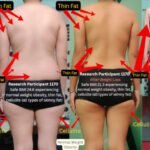
Measuring Skinny Fat
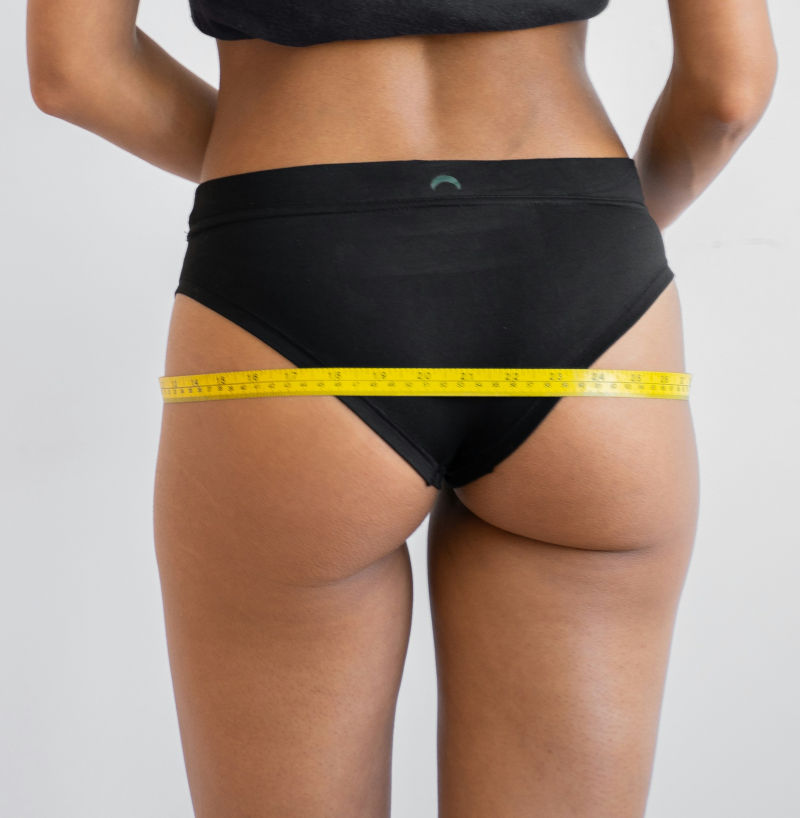
How is measuring skinny fat accomplished? Muscle has a strong genetic (1) component and is a central driver of human physiology, influencing body composition, shape, metabolism, glucose uptake, insulin (including insulin resistance), type 2 diabetes, obesity, and overall health. Yet science has no direct way to measure total genetic muscle tissue, or total muscle tissue, in general, no baseline average to compare such a measurement to, and no way to measure genetic muscle deficiency — what our science calls skinny fat (2). Researchers must rely on indirect and inaccurate proxies like BMI (3, 2), which can’t measure muscle at all, and lean body mass (LBM)(4, 5), which only provides a rough composite estimate — it cannot measure muscle.
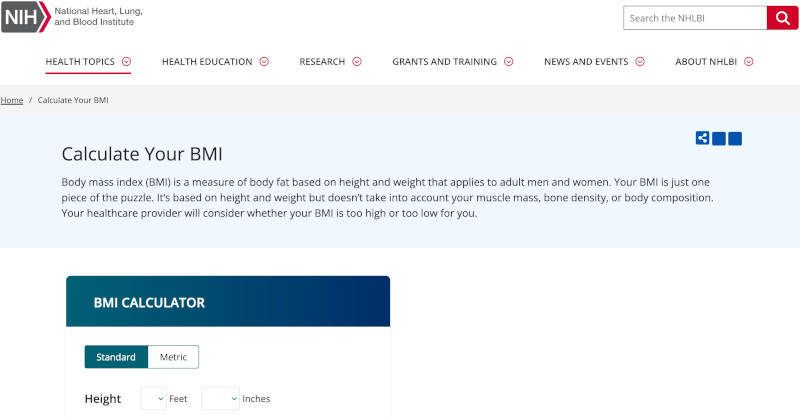
Total muscle tissue reflects the muscle a person has today, including muscle added or lost through diet, exercise, and/or lifestyle (sleep, stress, environment). In contrast, total genetic muscle tissue represents the baseline muscle a person was genetically programmed to develop. It is an undisputed fact that some people have more muscle, and some have less. Clinicians use MRI to identify local abnormalities (tears, breaks, etc.), but MRI has never been used to measure total muscle tissue or quantify genetic muscle. There is no whole‑body MRI muscle dataset, no baseline average, and no reproducible measurement standard. As a result, claims about muscle loss—such as GLP‑1 studies reporting large percentage changes—cannot be scientifically validated because no true measurement exists.
So, why is there no direct measurement of muscle tissue, no population baseline average to compare it to, and no way to measure skinny fat — “genetic muscle deficiency”?
Measuring Skinny Fat – Developing a Dataset
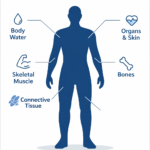
These measurements currently do not exist because institutions adopt protocols (BMI, LBM) and become complacent, evolving very slowly and initially — over decades — refuse to consider new science. Policy, legislation, and familiarity are key culprits. BMI was widely adopted during the 1970/80s (2) because it offered a simple proxy for weight relative to height. It doesn’t (3) measure body composition, muscle, or health. It does one thing: estimate body fat (3). Lean Body Mass (LBM)(4, 5) represents the combined mass of all non‑fat tissues, including muscle, bone, organs, connective tissue, and body water, as a single composite value, making it impossible to determine how much of the lean mass is actually muscle.
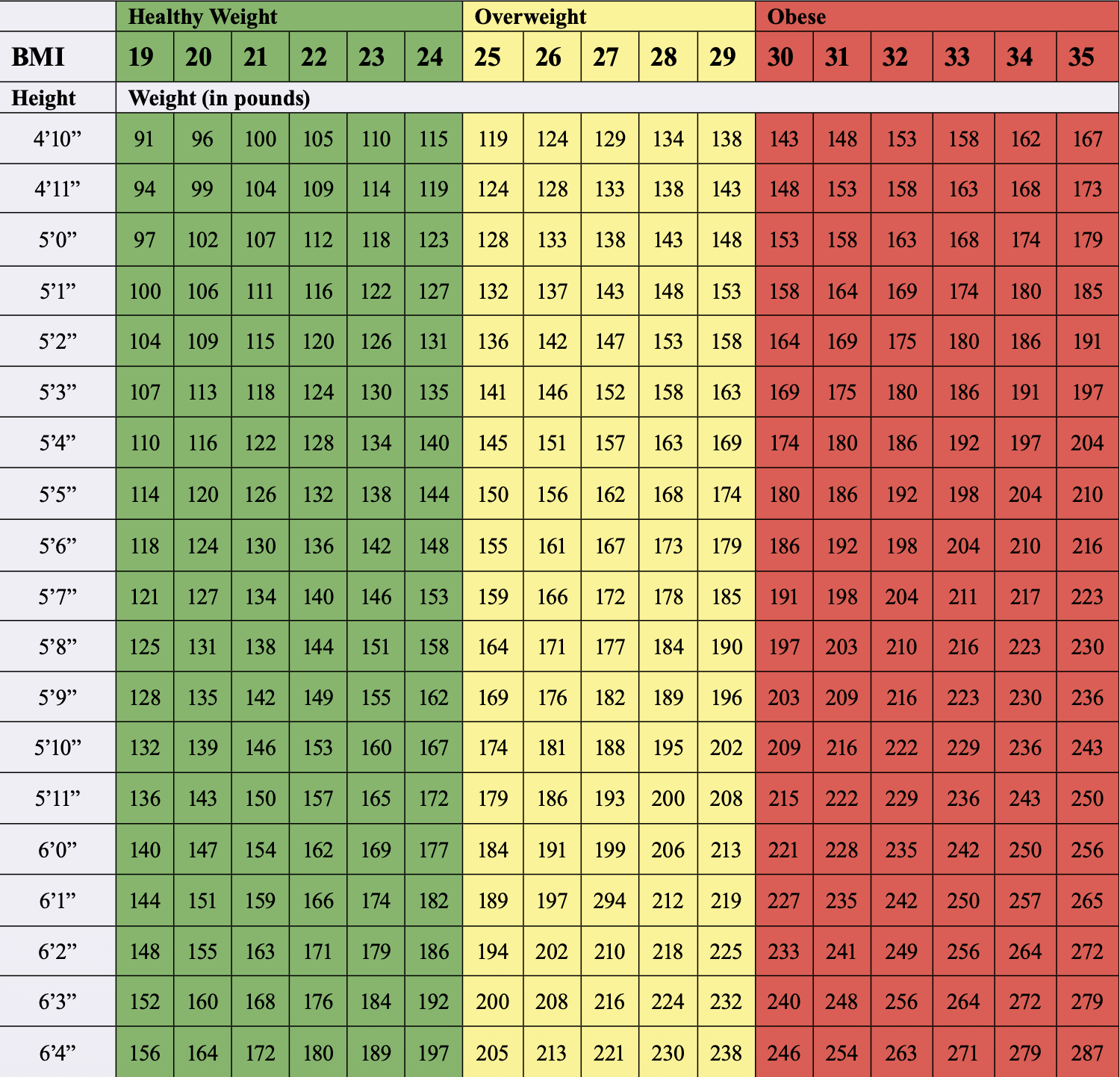 Within this framework, a ‘safe’ BMI — normal weight — is defined as 18.5 to 24.99, meaning a person is no longer carrying excess body fat (regular white/yellow adipose tissue). A BMI of 25–29.9 is overweight, meaning a person has excess body fat and an increased risk of unhealth. A BMI of 30+ is obese (Class I, Class II, Class III), meaning substantial excess body fat and a significantly increased risk of unhealth. These categories assume increased weight reflects increased body fat, but BMI isn’t capable of such measurement.
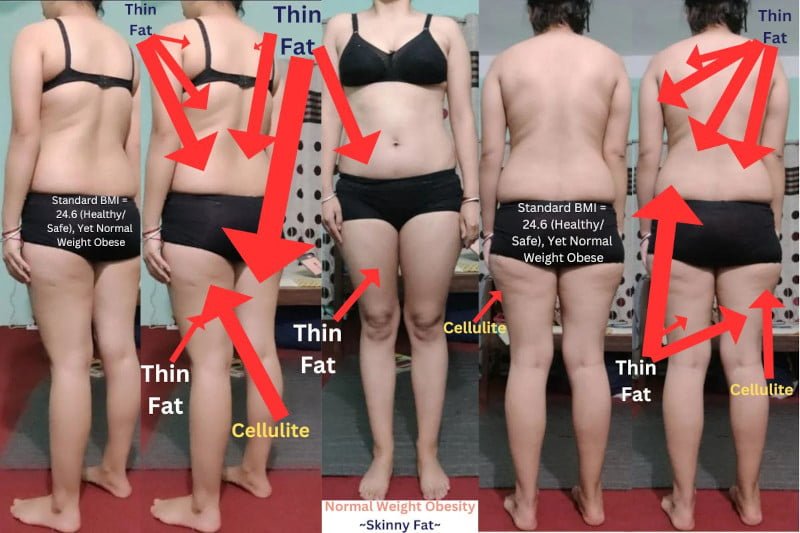
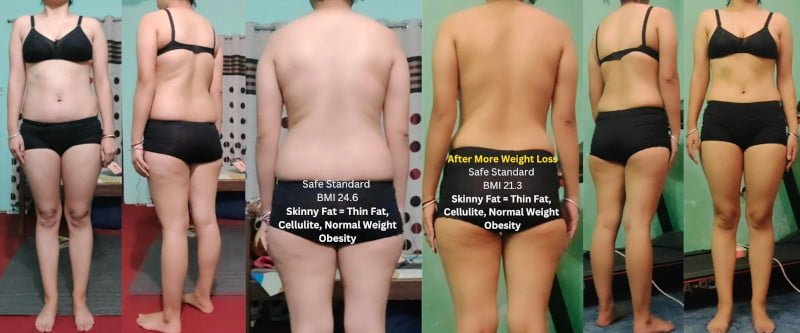
The introduction of the contradictory normal‑weight obesity (skinny fat) definition (6, 2) — described by the NIH in 2016 as excess body fat within a ‘safe’ BMI — underscored the problem: institutions were forced to name a phenotype they couldn’t measure. This is why our MRI Study (7) is so important.
MRI Study – Developing an Accurate Muscle Tissue Measurement
The study will generate the first dataset capable of solving this problem: a reproducible whole‑body muscle‑tissue measurement and a population baseline average. With this new dataset, researchers can finally identify genetic muscle deficiency (skinny fat), quantify its degree, and study its metabolic and physiological consequences, no less, with accuracy, opening a new, measurable dimension of human variation to improve health.
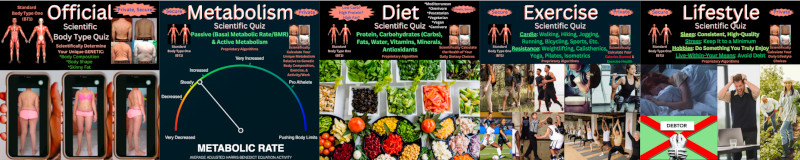
The Scientific Health Quizzes have been developed as screening tools for the MRI Study. They also offer cost-effective, affordable options for people to better understand their body composition, especially skinny fat, via the Scientific Body Type Quiz, along with the Scientific Metabolism Quiz, Scientific Diet Quiz, Scientific Exercise Quiz, and Scientific Lifestyle Quiz. Accounts are free, private, and secure. Free Quiz options are available.
References
- Skinny Fat Science: Is Muscle/Mass Genetic and How Does It Affect Skinny Fat?, November 20, 2024. https://skinnyfat.fellowone.com/skinny-fat-science/is-muscle-mass-genetic-and-how-does-it-affect-skinny-fat/
- Skinny Fat Science: What Is Skinny Fat?, July 26, 2024. https://skinnyfat.fellowone.com/skinny-fat-science/what-is-skinny-fat/
- NIH, National Library of Medicine: Calculate Your BMI. https://www.nhlbi.nih.gov/calculate-your-bmi
- Skinny Fat Science: Lean Body Mass (LBM) and Skinny Fat, June 3, 2026. https://skinnyfat.fellowone.com/skinny-fat-science/lean-body-mass-lbm-and-skinny-fat/
- Skinny Fat Science: Skinny Fat – The Future, May 27, 2026. https://skinnyfat.fellowone.com/skinny-fat-science/skinny-fat-the-future/
- Skinny Fat Science: Skinny Fat is a Lack of Genetic Muscle – Beyond Normal-Weight Obesity, August 13, 2025. https://skinnyfat.fellowone.com/skinny-fat-science/skinny-fat-is-a-lack-of-genetic-muscle-beyond-normal-weight-obesity/
- Skinny Fat Science: Scientific Skinny Fat MRI Study – Proving What Skinny Fat Is, March 26, 2026. https://skinnyfat.fellowone.com/skinny-fat-science/scientific-skinny-fat-mri-study-proving-what-skinny-fat-is/
Was this article helpful?
Related Posts
What Is Skinny Fat?
How to Fix Skinny Fat

The Best Skinny Fat Diet, According to Science

Popular Concepts
- Skinny Fat: “Thin Fat”, Cellulite, and Deficient Muscle

- Lean Body Mass (LBM) and Skinny Fat
- What Body Fat Percentage Is Skinny Fat?
- Skinny Fat Body Composition – Before & After Weight Loss
- Skinny Fat & Insulin Resistance
- Body Dysmorphia and Skinny Fat Including Anorexia & Other Eating Disorders
- How Skinny Fat Affects Body Shape
- Skinny Fat Is More Than Just Normal-Weight Obesity