Is My Body Type Normal? – Skinny Fat Question
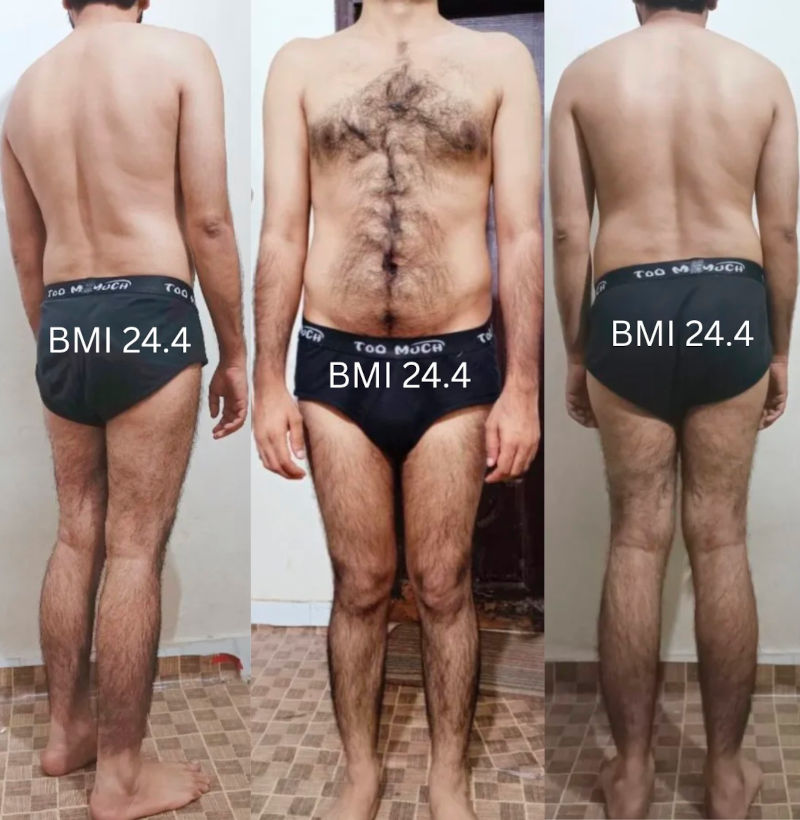
 Hi Dr. Skinny Fat – Until recently, I thought my body type was normal. When I asked my doctor at my last checkup, he vaguely responded with “sure”. When I dug deeper, he said there isn’t a universal standardized baseline body type that defines normal. I then asked how he knows if a body is normal or not? He responded by clarifying that there is the accepted anatomical model, which he pointed at hanging on his office wall — what I learned your research calls the Body Type One — but it is not an approved standard; no such standard exists. I asked why, he shrugged his shoulders, and that was the end of the conversation.
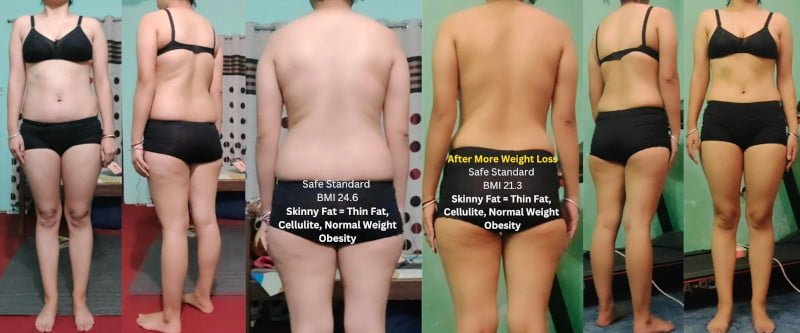
I took your Scientific Body Type Quiz. It says I am what your research calls a Body Type Two with slight to moderate skinny fat. That actually makes a lot of sense to me. I am experiencing deficient muscle, what your research defines as skinny fat, particularly on my upper legs, love handles, back, stomach, and chest. Everyone keeps telling me that I just need to lift weights, which I don’t disagree with, but why should I have to at the age of 30? Why do I have so much deficient muscle? Seems like your science is saying that I don’t have a normal body type?
Is My Body Type Normal? – Skinny Fat Question
You are right to question things. Like muscular development, which is genetic and highly heritable (1), blood pressure varies substantially among individuals, but we don’t say, “Why do we need blood pressure reference ranges?” Instead, standardized clinical reference ranges allow that variation to be measured, classified, and interpreted. A normal (2) adult blood pressure range is below 120/80 mmHg, with standardized categories for elevated blood pressure and hypertension. Without such an established reference, your doctor — clinicians, in general — would lack a common baseline against which to interpret individual measurements. How would they or you know if your blood pressure is healthy or not?
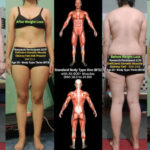
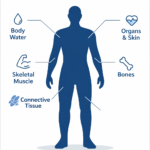
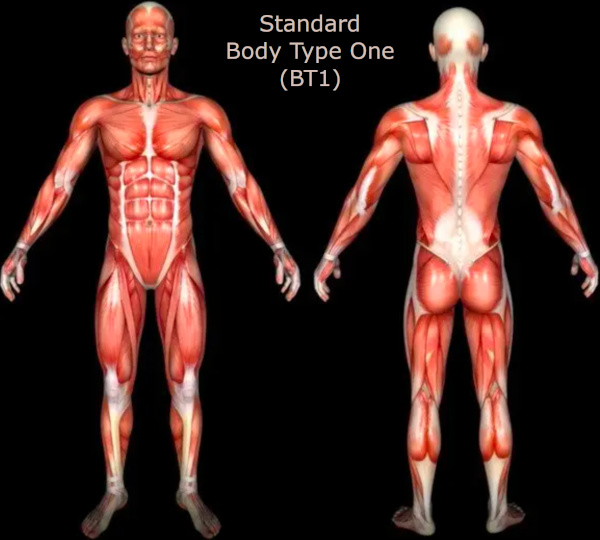 As your doctor mentioned, the established anatomical model with its 600+ muscles (3) provides a basic structural reference but is not the universally approved phenotype — what our research, indeed, calls the Standard Body Type One (BT1) and proposes as the standardized baseline phenotype. That anatomical model is scientifically grounded because it represents the structural organization of the human body: the skeleton and vertebrae, musculature, and associated structures. In practice, this model functions as an implicit anatomical reference throughout medicine and science. When you visit your doctor, like any human being, your physical structure is evaluated against this established model of normal human anatomy, allowing deviations, abnormalities, or pathology to be identified.
However, there is an important distinction between describing variation and establishing a biological reference against which variation can be measured and interpreted. Descriptors such as “apple,” “pear,” “triangle,” “hourglass,” and somatotype can describe visible body shapes, but they don’t provide a baseline for reference or scientifically establish the underlying biological structures producing those differences.
Establishing An Official Standardized Baseline Phenotype
The anatomical model describes the common structural organization of the human body; it doesn’t explain the large biological variation that exists within that organization. It tells us what structures humans have, but not how those structures vary in development across individuals, what constitutes a baseline for that variation, or how differences in their development produce differences in body shape, composition, and physical capacity. As you pointed out, it cannot tell us WHY your body — like so many human bodies in the world — has deficient muscle (skinny fat)(4). The existence of the anatomical model, therefore, establishes the structural foundation from which such a necessary and long-overdue standardized baseline phenotype can be investigated.
 Our research’s existing 492-participant dataset (5) provides a proof-of-concept foundation for evaluating the proposed BT1 framework. The dataset analysis will help inform aspects of our MRI Study (6) design, but direct MRI measurement remains necessary to investigate the underlying biological variable and establish an official baseline phenotype while also developing a standardized total muscle measurement framework and population reference baseline for comparison across individuals.
Thus, currently, there is no way to determine if your body, any human body, is a “normal” body type. Please consider supporting our research and telling your friends.
References
- Skinny Fat Science: Is Muscle/Mass Genetic and How Does It Affect Skinny Fat?, November 20, 2024. https://skinnyfat.fellowone.com/skinny-fat-science/is-muscle-mass-genetic-and-how-does-it-affect-skinny-fat/
- Skinny Fat Science: Why Is There No Standardized Baseline Phenotype to Understand Muscle Deficiency (Skinny Fat)?, September 23, 2026. https://skinnyfat.fellowone.com/skinny-fat-science/why-is-there-no-standardized-baseline-phenotype-to-understand-muscle-deficiency-skinny-fat/
- Britannica: human muscle system, Shane W. Cummings and Robin Huw Crompton (Fact-checked by the Editors of Encyclopaedia Britannica. https://www.britannica.com/science/human-muscle-system
- Skinny Fat Science: What Is Skinny Fat?, July 26, 2024. https://skinnyfat.fellowone.com/skinny-fat-science/what-is-skinny-fat/
- Fellow One Research: Body Type Science Research Data. https://fellowone.com/category/fellow-one-research/the-four-body-types/body-type-science/body-type-quiz/research-data/
- Skinny Fat Science: Scientific Skinny Fat MRI Study – Proving What Skinny Fat Is, March 26, 2025. https://skinnyfat.fellowone.com/skinny-fat-science/scientific-skinny-fat-mri-study-proving-what-skinny-fat-is/
Was this article helpful?
Related Posts
What Is Skinny Fat?
How to Fix Skinny Fat

The Best Skinny Fat Diet, According to Science

Popular Concepts
- Skinny Fat: “Thin Fat”, Cellulite, and Deficient Muscle

- Lean Body Mass (LBM) and Skinny Fat
- What Body Fat Percentage Is Skinny Fat?
- Skinny Fat Body Composition – Before & After Weight Loss
- Skinny Fat & Insulin Resistance
- Body Dysmorphia and Skinny Fat Including Anorexia & Other Eating Disorders
- How Skinny Fat Affects Body Shape
- Skinny Fat Is More Than Just Normal-Weight Obesity