Building a Scientific Skinny Fat Dataset
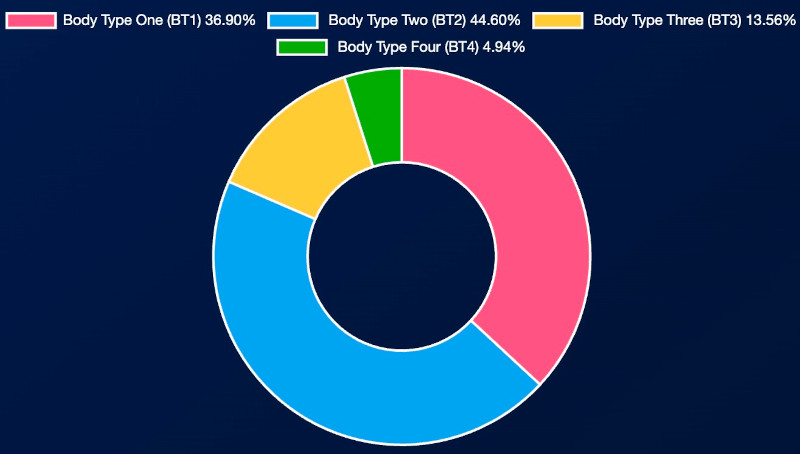 The existing 492-participant empirical dataset (1) has served its purpose well as a proof of concept, providing an initial scientific base for the proposed BT1 classification framework, including deficient genetically influenced muscle (skinny fat)(2). As we advance toward our MRI Study (3), after careful consideration, we have determined that an additional step is warranted: securing funding to assemble an expert scientific team and conduct a new 500-participant study to examine our proposed BT1 standardized baseline phenotype (defined by skinny fat, or lack of), including an independent scientific assessment of the resulting dataset for peer-review submission.
We have already developed and tested the new Scientific Body Type Quiz and supporting assessment tools. The general study infrastructure and methodology are in place. What we need now is the appropriate expert scientific personnel to ensure protocol integrity and methodological rigor, oversee data collection, and produce clean, reproducible data suitable for independent assessment and peer review.
Building a Scientific Skinny Fat Dataset – A Proposed BT1 Standardized Baseline Phenotype
Existing body-composition proxy measurements provide indirect estimates and broad classifications, establishing useful groundwork for building a sustainable foundation. But they are not the foundation itself.
The Foundation: A standardized baseline phenotype and classification framework, direct measurement of total muscle tissue, and population-referenced baseline data.
The Structure: Built upon that foundation and advanced through further scientific research, deepening our understanding of metabolism, physical function, aging, and how individual biology interacts with diet, exercise, and lifestyle.
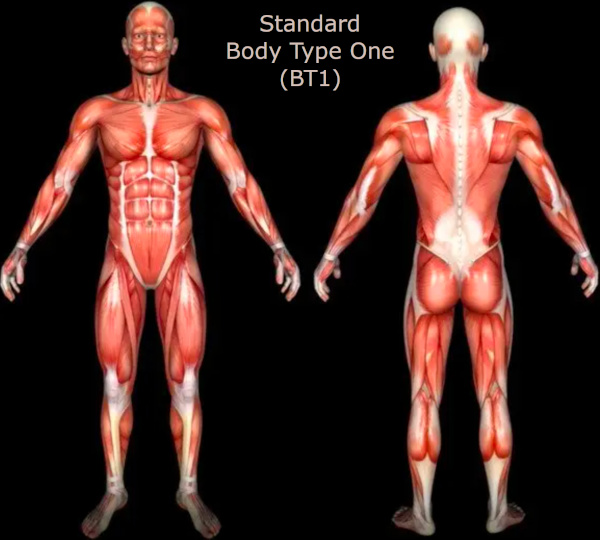
Like any endeavor, we had to start somewhere. The 492-participant dataset grounded our proposed BT1 phenotype (4) and classification system, allowing us to clarify and improve the data-gathering process and properly rebuild the required assessment tools. The new 500-participant dataset establishes the base of the foundation to properly perform the in-depth research required to solidify the proposed standardized baseline phenotype and classification framework, direct measurement of total muscle tissue, and population-referenced baseline.
Our long-term research objective remains the development of a standardized, MRI-based framework for measuring and classifying genetically influenced human muscle tissue, including skinny fat (deficient muscle). This 500-participant dataset strengthens the empirical foundation for the proposed classification and measurement frameworks, subsequently helping inform the design and implementation of the larger MRI Study.
Newly Developed and Tested Research Assessment Tools – Scientific Health Quizzes
The initial 492-participant proof-of-concept was invaluable to understanding how to build the new 500-participant dataset. Without it, we would not have been able to rebuild the research assessment tools, particularly the Scientific Body Type Quiz, to more accurately, efficiently, and effectively screen the new required cohort and gather the vital data. The Scientific Metabolism, Diet, Exercise, and Lifestyle Quizzes help paint a more comprehensive picture.
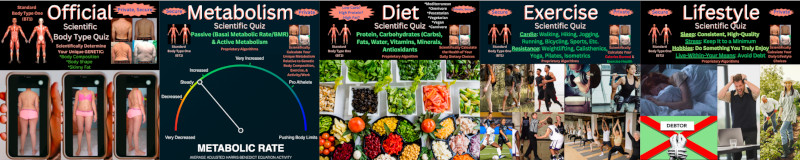
Once the new 500-participant dataset is complete, expert analysis is performed, and official peer review is finalized, we will focus on building the foundation and structure via our MRI Study.
References
- Fellow One Research: Body Type Science Research Data. https://fellowone.com/category/fellow-one-research/the-four-body-types/body-type-science/body-type-quiz/research-data/
- Skinny Fat Science: What Is Skinny Fat?, July 26, 2024. https://skinnyfat.fellowone.com/skinny-fat-science/what-is-skinny-fat/
- Skinny Fat Science: Scientific Skinny Fat MRI Study – Proving What Skinny Fat Is, March 26, 2025. https://skinnyfat.fellowone.com/skinny-fat-science/scientific-skinny-fat-mri-study-proving-what-skinny-fat-is/
- Britannica: human muscle system, Shane W. Cummings and Robin Huw Crompton (Fact-checked by the Editors of Encyclopaedia Britannica. https://www.britannica.com/science/human-muscle-system
Was this article helpful?
Related Posts
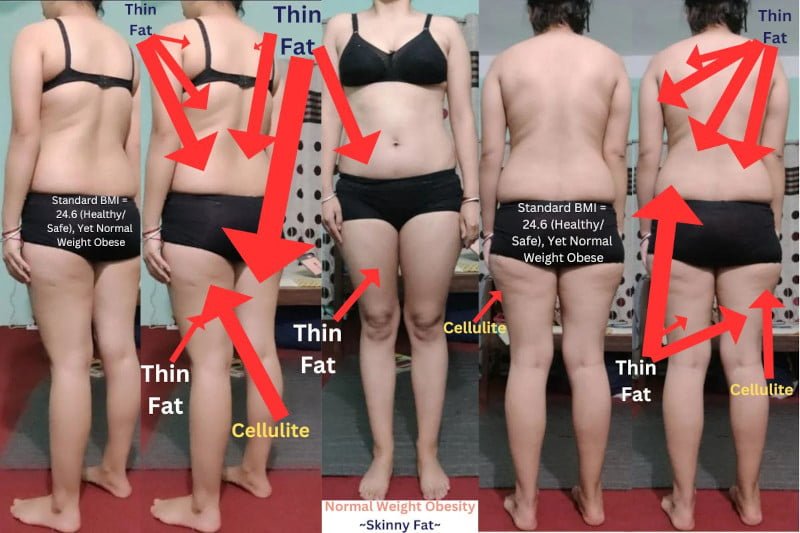
What Is Skinny Fat?
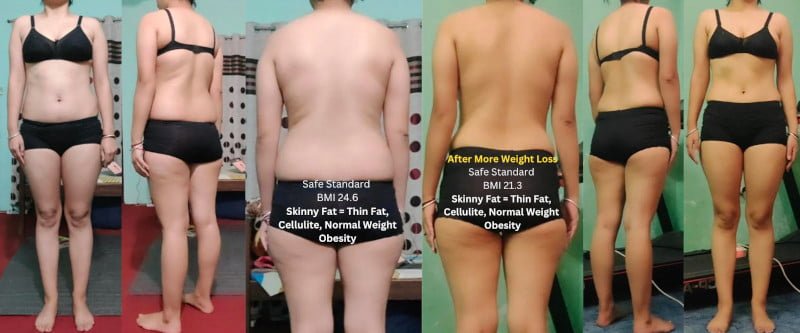
How to Fix Skinny Fat

The Best Skinny Fat Diet, According to Science

Popular Concepts
- Skinny Fat: “Thin Fat”, Cellulite, and Deficient Muscle
- Lean Body Mass (LBM) and Skinny Fat
- What Body Fat Percentage Is Skinny Fat?

- Skinny Fat Body Composition – Before & After Weight Loss
- Skinny Fat & Insulin Resistance
- Body Dysmorphia and Skinny Fat Including Anorexia & Other Eating Disorders

- How Skinny Fat Affects Body Shape

- Skinny Fat Is More Than Just Normal-Weight Obesity