BMI, Obesity, and Normal-Weight Obesity (Skinny Fat)
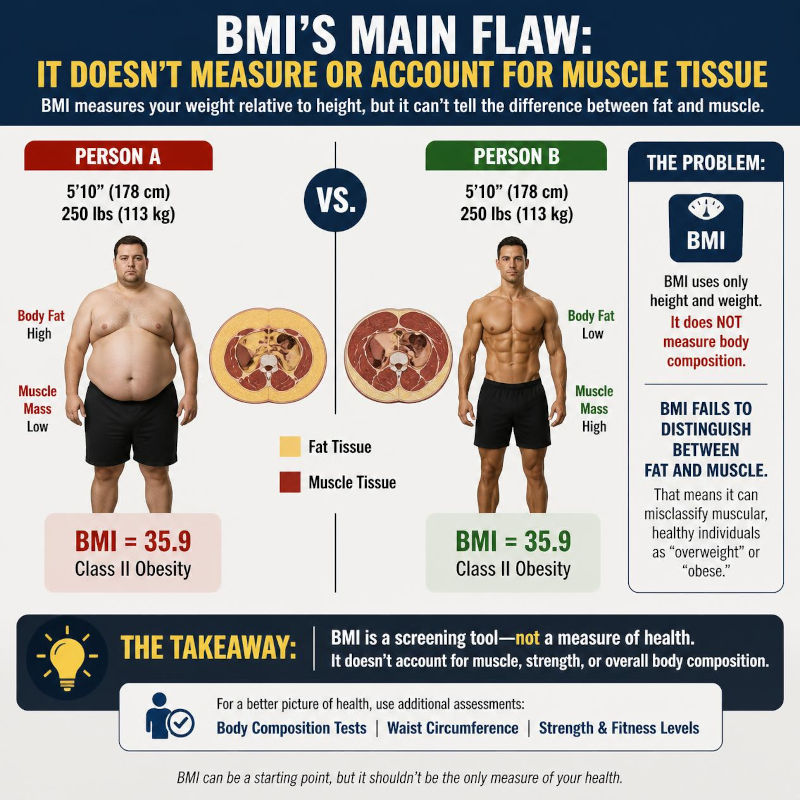
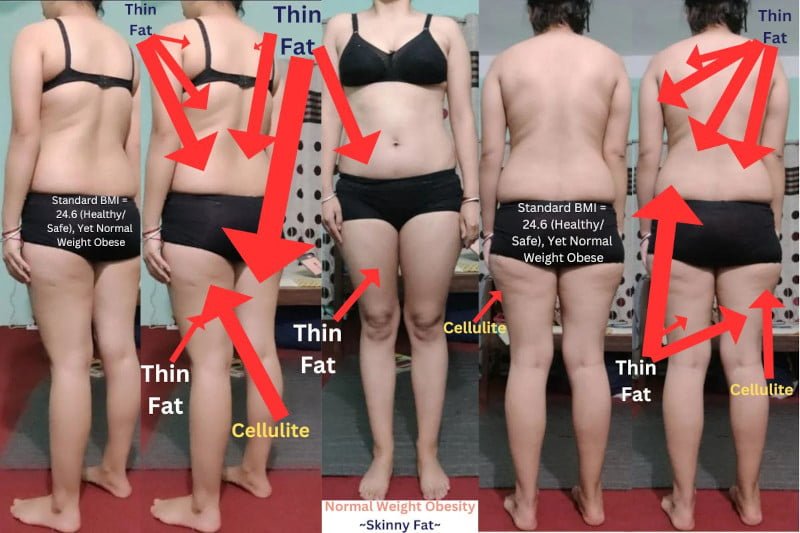
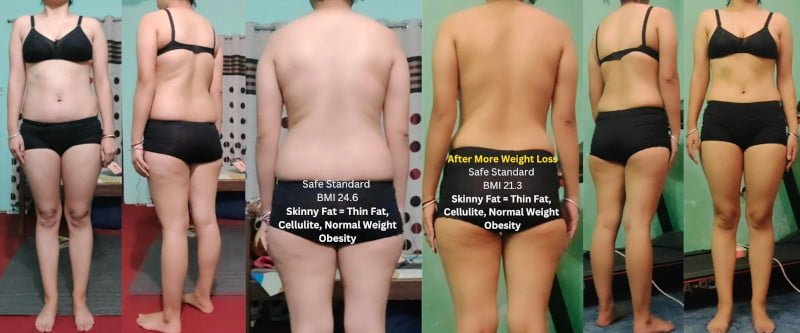
 Obesity science rests on a single foundational assumption: that excess body fat/adipose tissue (1, 2, 3, 4, 5), AKA too much regular white/yellow fat, is the primary driver of metabolic and disease risk. This assumption is embedded in BMI, embedded in clinical guidelines, embedded in insurance underwriting, and embedded in public‑health surveillance. BMI is, at its core, a fat‑centric (6) administrative metric that ignores genetic muscle tissue (7) entirely — really no different than lean body mass (LBM)(8) and normal‑weight obesity (NWO/skinny fat)(9, 6), both of which fail to recognize the importance of accurate muscle tissue measurement.
As of July 2026, the scientific landscape is defined by severe structural gaps:
- There is no direct measurement of genetic muscle tissue or muscle tissue in general
- There is no baseline average for genetic muscle tissue
- There is no way to quantify genetic muscle deficiency (skinny fat)
- There is no diagnostic standard
- BMI is fat‑focused, inaccurate, and does not measure muscle
- Lean body mass (LBM) is non‑specific and does not measure muscle
- DEXA and InBody only measure (10) fat and bone, not muscle
- Normal‑weight obesity (skinny fat) contradicts BMI (6, 8)
- Skinny fat is inappropriately diagnosed socially, not scientifically or medically
Without the ability to accurately measure muscle tissue in each human being, it is impossible to understand metabolic risk — let alone calculate metabolic metrics (BMR, TDEE) — at a minimum.
BMI, Obesity, and Normal‑Weight Obesity (Skinny Fat) Science
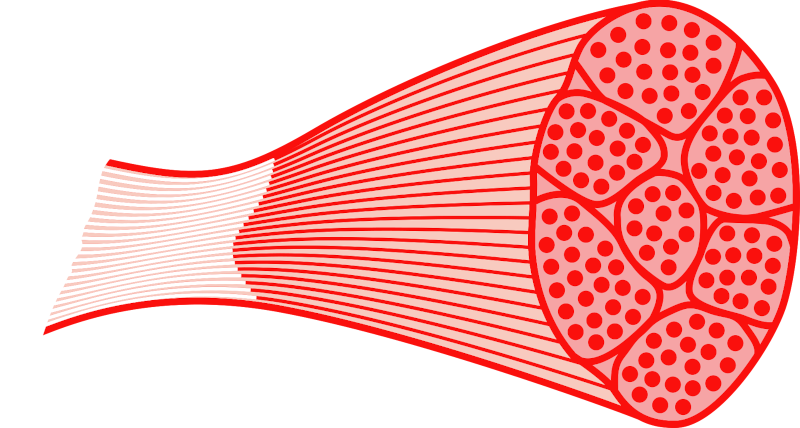 The missing and most important variable is genetic muscle tissue, not adipose tissue. Without accurately measuring muscle, obesity science — including normal‑weight obesity (skinny fat) — cannot distinguish between structurally different phenotypes (body types) that share identical BMI values. Nor can it accurately understand health at all. Without accurate muscle‑tissue data, body composition, structure (shape), metabolism, diet, exercise, and lifestyle remain rough estimates — administratively convenient, but scientifically incomplete.
The fact is, mainstream science and medicine have no institutional method to measure muscle, no baseline, and no diagnostic standard. This measurement gap persists even as the human‑health crisis (11, 8) worsens — including the global obesity epidemic, the skinny fat crisis, and the mental health crisis. It is not that clinicians cannot quantify muscle. They can — with the proper scientific dataset and measurement tools.
The problem is structural: institutions and policymakers continue to rely on accepted standards and tools that were built around adipose tissue, not muscle tissue. As a result, they preserve an inaccurate fat‑centric model that cannot solve the very problems it was designed to address. Until muscle tissue is measured directly, obesity science will remain incomplete, metabolic risk will remain misclassified, and millions of structurally different human beings will continue to be evaluated through a metric that cannot see them.
The Solution – Accurate Muscle Tissue Measurement Via MRI
Our MRI Study (12) creates the first accurate muscle‑tissue measurement and baseline by establishing the foundational dataset modern physiology has never had. The initial infrastructure is already complete:
- Identified potential universities with a large enough population and viable modern MRI Lab
- Identified protocol and IRB framework
- Built the required participant‑screening tools
- Identified the cohort design
- Identified MD radiologist and data‑science necessity, no less
- Identified peer‑review architecture and best-fit journals
Without accurate muscle‑tissue measurement and a baseline average, human health cannot be truly understood. Metabolism, disease, aging, diet, exercise, and lifestyle will continue to be misunderstood, miscalculated, miscategorized, and misdiagnosed as the human‑health crisis deepens. Our MRI Study is the solution. It establishes the missing measurement infrastructure — the dataset that allows clinicians, researchers, and policymakers to quantify genetic muscle tissue directly, compare individuals and populations accurately, and finally correct the structural blind spot that has distorted obesity science, metabolic research, and public‑health policy for decades.
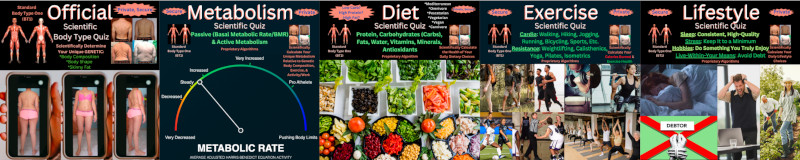
In the meantime, the affordable, user-friendly screening tools — the Scientific Health Quizzes — are available. The Scientific Body Type Quiz accurately estimates body composition (especially skinny fat). The Scientific Metabolism Quiz accurately calculates metabolism (slow, average, fast) and metabolic rate (decreased, steady, increased). And the Diet, Exercise, and Lifestyle Quizzes help paint the whole picture to help you better understand your health. You can track your data in your free, secure, private account. Free options are available.
References
- NIH, National Library of Medicine: Adipose Tissue: Physiology to Metabolic Dysfunction, April 4, 2020, Allison J. Richard, PhD, Ursula White, PhD, Carrie M. Elks, PhD, RD, and Jacqueline M. Stephens, PhD. https://www.ncbi.nlm.nih.gov/books/NBK555602/
- NIH, National Library of Medicine: Adipose Tissue Insulin Resistance: A Key Driver of Metabolic Syndrome Pathogenesis, September 28, 2025, Atefeh Rabiee, Md Arafat Hossain, and Ankita Poojari. https://pmc.ncbi.nlm.nih.gov/articles/PMC12561392/
- Cambridge University Press: Excess body fat in obese and normal-weight subjects, May 25, 2012, E. Louise Thomas, Gary Frost, Simon D. Taylor-Robinson, and Jimmy D. Bell. https://www.cambridge.org/core/journals/nutrition-research-reviews/article/excess-body-fat-in-obese-and-normalweight-subjects/820BA0E5D204E5DD5C6AFF1E795C5616
- ScienceDaily: New obesity discovery rewrites decades of fat science, May 8, 2026, Université de Toulouse. https://www.sciencedaily.com/releases/2026/05/260508171123.htm
- American Heart Association, AHAIASA Journals: Assessing Adiposity: A Scientific Statement From the American Heart Association, September 26, 2011, Volume 124, Number 18, Marc-Andre Cornier, MD, Chair, Jean-Pierre Després, PhD, FAHA, Nichola Davis, MD, MS, Daurice A. Grossniklaus, RN, MEd, PhD, Samuel Klein, MD, FAHA, Benoit Lamarche, PhD, FAHA, Francisco Lopez-Jimenez, MD, MSc, Goutham Rao, MD, Marie-Pierre St-Onge, PhD, Amytis Towfighi, MD, and Paul Poirier, MD, PhD, FAHA. https://www.ahajournals.org/doi/10.1161/cir.0b013e318233bc6a
- Skinny Fat Science: Skinny Fat is a Lack of Genetic Muscle – Beyond Normal-Weight Obesity, August 13, 2025. https://skinnyfat.fellowone.com/skinny-fat-science/skinny-fat-is-a-lack-of-genetic-muscle-beyond-normal-weight-obesity/
- Skinny Fat Science: Is Muscle/Mass Genetic and How Does It Affect Skinny Fat?, November 20, 2024. https://skinnyfat.fellowone.com/skinny-fat-science/is-muscle-mass-genetic-and-how-does-it-affect-skinny-fat/
- Skinny Fat Science: Lean Body Mass (LBM) and Skinny Fat, June 3, 2026. https://skinnyfat.fellowone.com/skinny-fat-science/lean-body-mass-lbm-and-skinny-fat/
- Skinny Fat Science: What Is Skinny Fat?, July 26, 2024. https://skinnyfat.fellowone.com/skinny-fat-science/what-is-skinny-fat/
- Skinny Fat Science: Low Muscle Mass, Skinny Fat, and How to Measure, December 10, 2025. https://skinnyfat.fellowone.com/skinny-fat-science/low-muscle-mass-skinny-fat-and-how-to-measure/
- Skinny Fat Science: Skinny Fat Science Supports the Growing Youth Movement for Healthy Diet, Exercise, and Lifestyle, November 26, 2025. https://skinnyfat.fellowone.com/skinny-fat-science/skinny-fat-science-supports-the-growing-youth-movement-for-healthy-diet-exercise-and-lifestyle/
- Skinny Fat Science: Scientific Skinny Fat MRI Study – Proving What Skinny Fat Is, March 26, 2025. https://skinnyfat.fellowone.com/skinny-fat-science/scientific-skinny-fat-mri-study-proving-what-skinny-fat-is/
Was this article helpful?
Related Posts
What Is Skinny Fat?
How to Fix Skinny Fat

The Best Skinny Fat Diet, According to Science

Popular Concepts
- Skinny Fat: “Thin Fat”, Cellulite, and Deficient Muscle

- Lean Body Mass (LBM) and Skinny Fat
- What Body Fat Percentage Is Skinny Fat?
- Skinny Fat Body Composition – Before & After Weight Loss
- Skinny Fat & Insulin Resistance
- Body Dysmorphia and Skinny Fat Including Anorexia & Other Eating Disorders
- How Skinny Fat Affects Body Shape
- Skinny Fat Is More Than Just Normal-Weight Obesity