Free Scientific Skinny Fat Test – How It Works
Because the science of skinny fat is so young, no official scientific/medical measure or diagnosis currently exists (our MRI Study (1) is working on it). Until things change, we have developed the Free Scientific Skinny Fat Test to reasonably estimate the probability of skinny fat. How have we done this? Nearly 25 years of scientific research, to start.
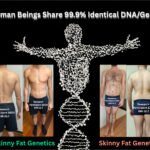
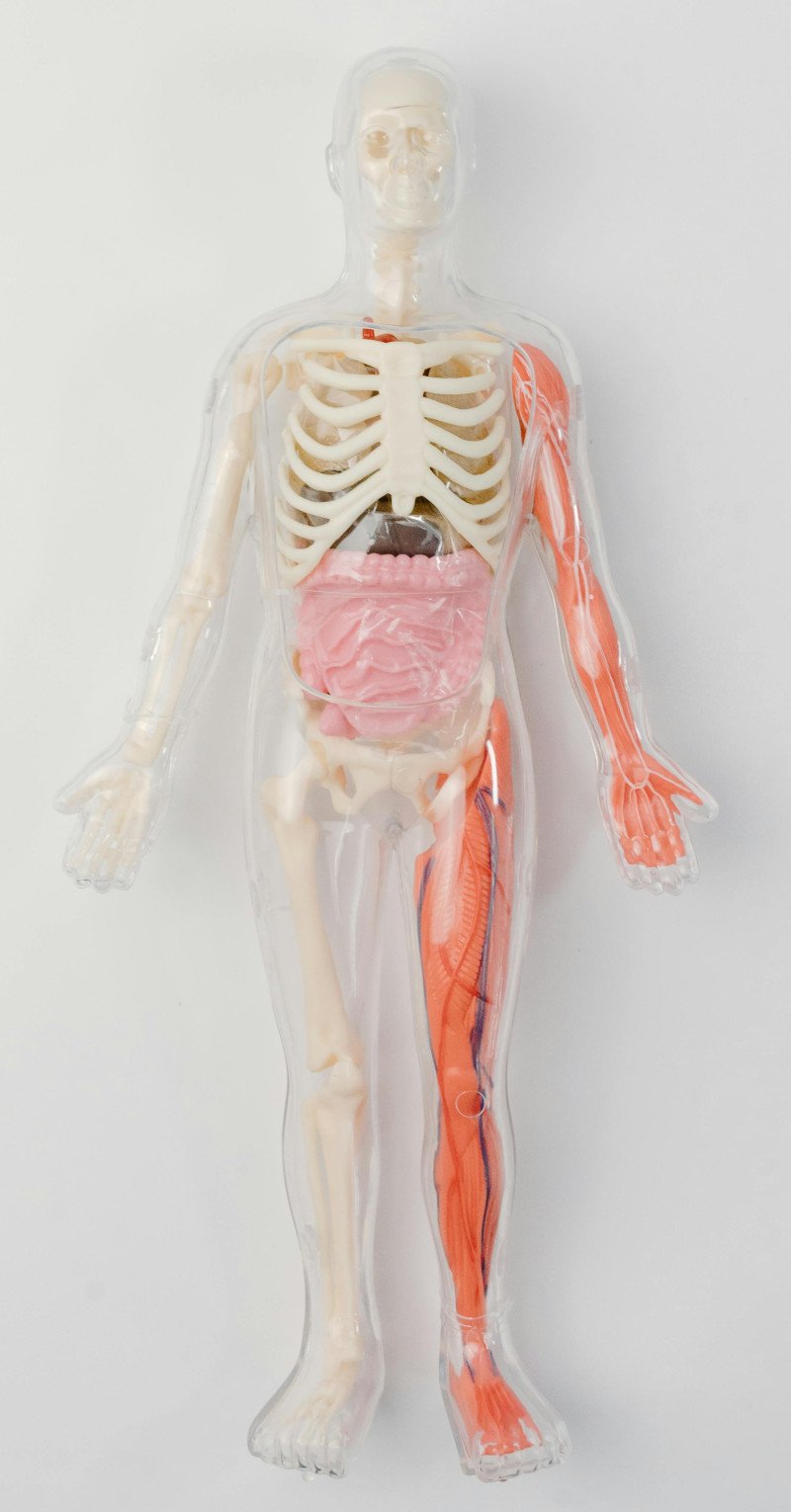 Skinny fat is a lack of genetic muscle (2, 3, 4, 5). Contrary to widespread popular belief, every human being is not born with the same general amount of muscle tissue relative to height and gender. There is no science to support this gross assumption. None. Muscle tissue is genetic (5). Some people are born with more muscle tissue, some less. Those who are born lacking some degree of genetic muscle, they are very likely experiencing some degree of skinny fat tissue (thin fat, cellulite)(2). Of course, the only way to prove this is with our MRI Study.
So, how do you know if you are lacking genetic muscle and experiencing skinny fat?
Scientific Skinny Fat Test – How It Works
What does the human body look like when all 600+ muscles are fully developed? Reference any scientifically/medically approved resource like Britannica (6), a high school or college anatomy book, or a medical dictionary at your doctor’s office, no less, and this is what you see:
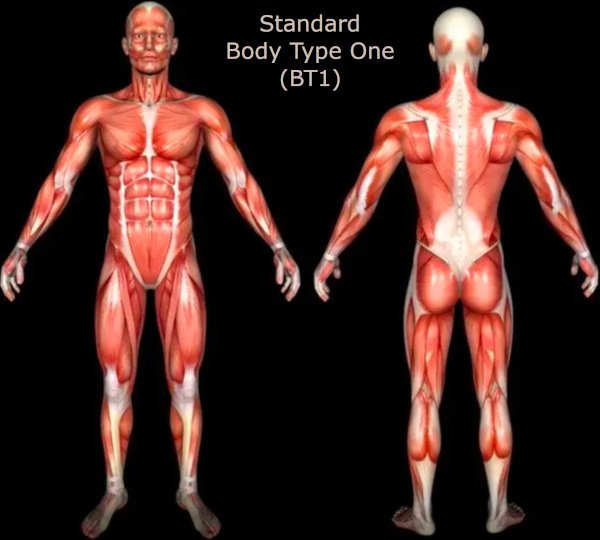
That is the standard human body with all 600+ muscles developed (AKA a Standard Body Type One/BT1).
Here is Standard BT1 Research Participant 1088 (7):
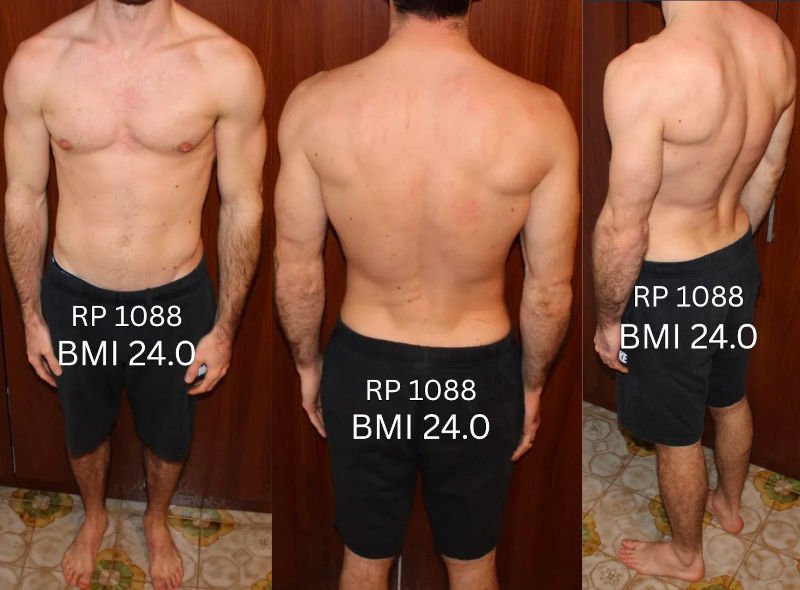
They are within safe BMI at 24.0. And, they are showing no signs of skinny fat (lack of genetic muscle), while adamantly reporting they have never experienced skinny fat.
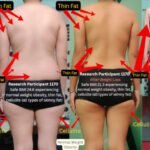
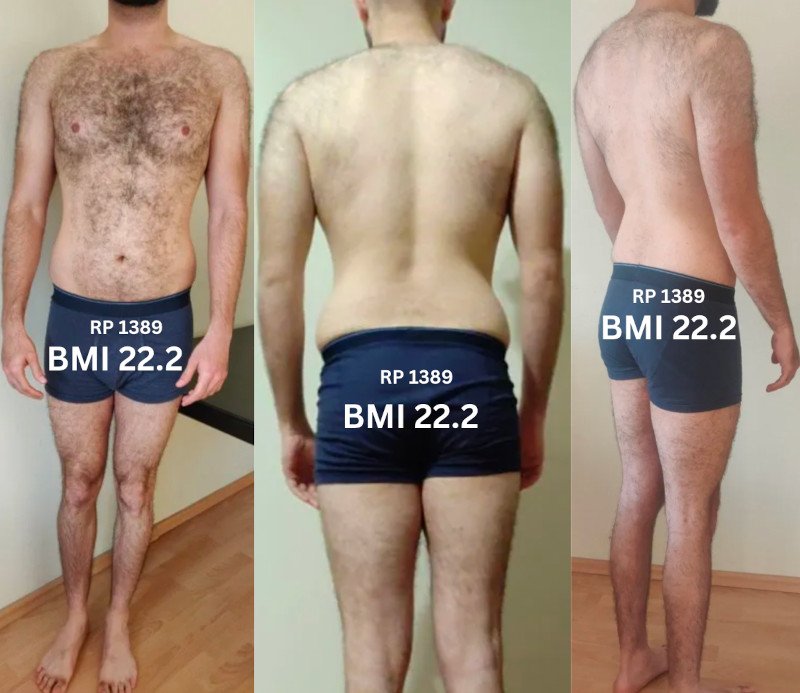
Here is Research Participant 1389 (Body Type Two/BT2)(8). They are within safe BMI at 22.2, which means — by The Standard BMI definition — they are not experiencing any excess regular white/yellow body fat. However, they are lacking obvious genetic muscle widespread across their body. Muscle tissue does not turn into fat tissue, ever (or vice versa) — this is not how human tissue works (2, 5). Thus, the claim that they lost muscle tissue and that lost muscle somehow magically became regular white/yellow body fat, is false.
What exists in place of where their genetic muscle tissue should be, but is not? Thin fat tissue (a type of skinny fat)(2). We can only prove this with our MRI Study.
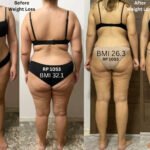
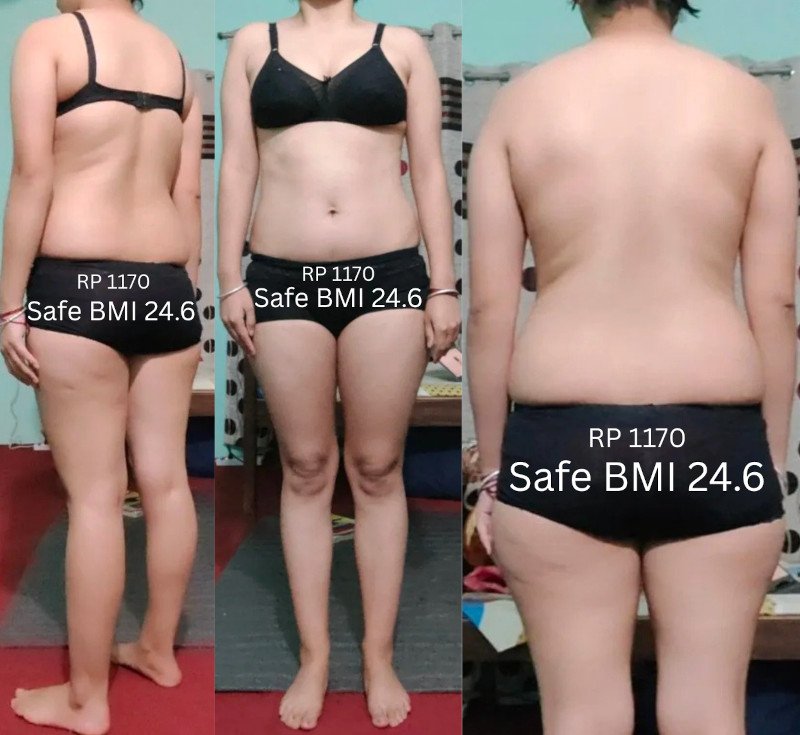
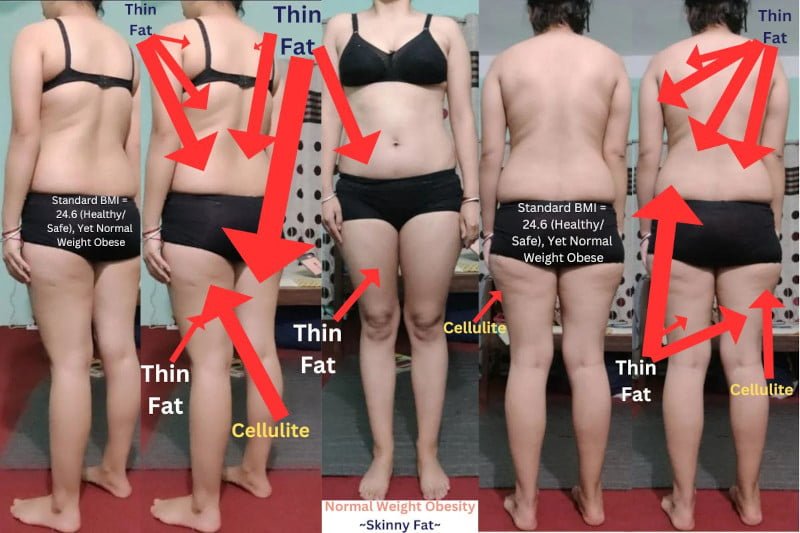
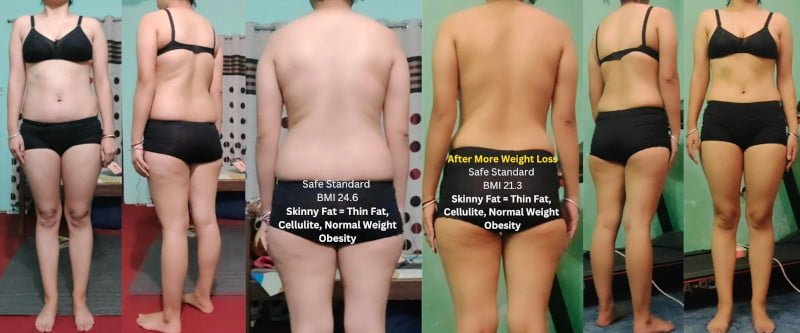
Here is Research Participant 1170 (Body Type Three/BT3)(9) before they lost weight. They are within safe BMI at 24.6, which, again, scientifically/medically means they do not have any excess regular white/yellow fat. Yet, like RP 1389, the lack of genetic muscle widespread across their body is obvious:
They lost weight down to a BMI of 21.3, but the skinny fat — thin fat and cellulite (2) — remains:
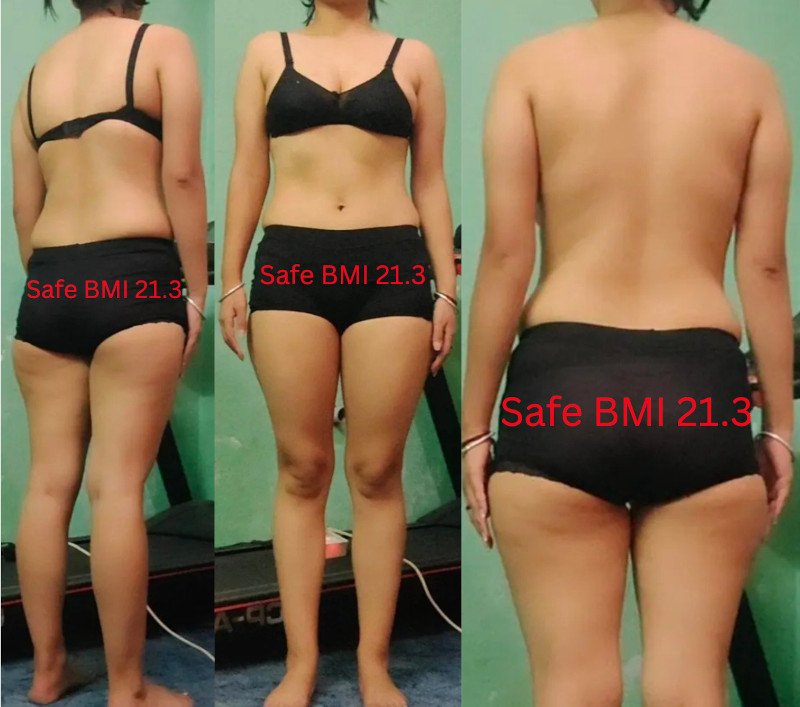
They could lose even more regular fat weight down to a safe minimum BMI of 18.5, or even unsafely below that to a dangerous BMI level, and the skinny fat tissue will remain. You cannot starve away a lack of genetic muscle (skinny fat).
How It Works – Scientific Skinny Fat Test
Once you understand what skinny fat is — a lack of genetic muscle tissue that is replaced by thin fat tissue and/or cellulite tissue — you can then identify if you are experiencing a lack of genetic muscle on your body by comparing it to the Standard Body Type One. Once you identify if you are lacking genetic muscle and where, then you can determine if, where that genetic muscle should be but is not, you are experiencing thin fat tissue and/or cellulite tissue.
The higher the degree of muscle tissue you are lacking, and the more thin fat and/or cellulite you are experiencing, the higher the likely percentage is that you are, indeed, experiencing skinny fat. The Free Scientific Skinny Fat Test makes this simple.
As a compliment, the Scientific Health Quizzes offer a more advanced scientific means of understanding your unique genetic body composition, particularly skinny fat. The Scientific Metabolism, Diet, Exercise, and Lifestyle Quizzes help paint a whole picture. Accounts are free, private, secure, and anonymous (depending on what info you choose to give). Free options are available.
References
- Skinny Fat Science: Scientific Skinny Fat MRI Study – Proving What Skinny Fat Is, March 26, 2025. https://skinnyfat.fellowone.com/skinny-fat-science/scientific-skinny-fat-mri-study-proving-what-skinny-fat-is/
- Skinny Fat Science: What Is Skinny Fat?, July 26, 2024. https://skinnyfat.fellowone.com/skinny-fat-science/what-is-skinny-fat/
- Skinny Fat Science: Skinny Fat is a Lack of Genetic Muscle – Beyond Normal-Weight Obesity, August 13, 2026. https://skinnyfat.fellowone.com/skinny-fat-science/skinny-fat-is-a-lack-of-genetic-muscle-beyond-normal-weight-obesity/
- Skinny Fat Science: Is Skinny Fat Genetic?, November 27, 2024. https://skinnyfat.fellowone.com/skinny-fat-science/is-skinny-fat-genetic/
- Skinny Fat Science: Is Muscle/Mass Genetic and How Does It Affect Skinny Fat?, November 20, 2024, https://skinnyfat.fellowone.com/skinny-fat-science/is-muscle-mass-genetic-and-how-does-it-affect-skinny-fat/
- Britannica: human muscle system, Shane W. Cummings and Robin Huw Crompton (Fact-checked by the Editors of Encyclopaedia Britannica. https://www.britannica.com/science/human-muscle-system
- Fellow One Research: Body Type Test (Quiz) Results 1088 – Body Type One (BT1) Male (Man), Millennial (Generation Y). https://www.fellowone.com/fellow-one-research/the-four-body-types/body-type-quiz/body-type-test-quiz-results-1088-body-type-one-bt1-male-man-millennial-generation-y/
- Fellow One Research: Body Type Test (Quiz) Results 1389 – Body Type Two (BT2) Male (Man), Generation Z. https://www.fellowone.com/fellow-one-research/the-four-body-types/body-type-quiz/body-type-test-quiz-results-1389-body-type-two-bt2-male-man-generation-z/
- Fellow One Research: Body Type Test (Quiz) Results 1170 – Body Type Three (BT3) Female (Woman), Generation Z. https://www.fellowone.com/fellow-one-research/the-four-body-types/body-type-quiz/body-type-test-quiz-results-1170-body-type-three-bt3-female-woman-generation-z/
Was this article helpful?
Related Posts
What Is Skinny Fat?
How to Fix Skinny Fat

The Best Skinny Fat Diet, According to Science

Popular Concepts
- What Body Fat Percentage Is Skinny Fat?

- Skinny Fat Body Composition – Before & After Weight Loss
- Skinny Fat Genetics, Race DNA, and Muscle Tissue
- Skinny Fat & Insulin Resistance
- Body Dysmorphia and Skinny Fat Including Anorexia & Other Eating Disorders
- How Skinny Fat Affects Body Shape
- Skinny Fat Is More Than Just Normal-Weight Obesity